Sicily holidays
Closer to Africa than to Rome, this ancient Mediterranean island has become one of Italy’s hottest travel destinations. There are ruins to see, crystal-blue waters to swim in and hilltop villages begging to be explored. But the best holidays to Sicily take advantage of its famously laid-back pace, from marathon lunches and long seaside strolls to lazy days on the beach.
Top destinations in Sicily
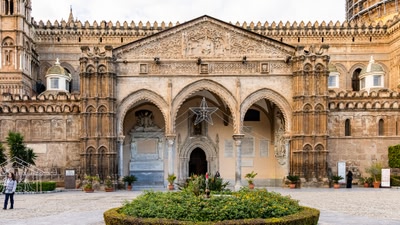
Palermo
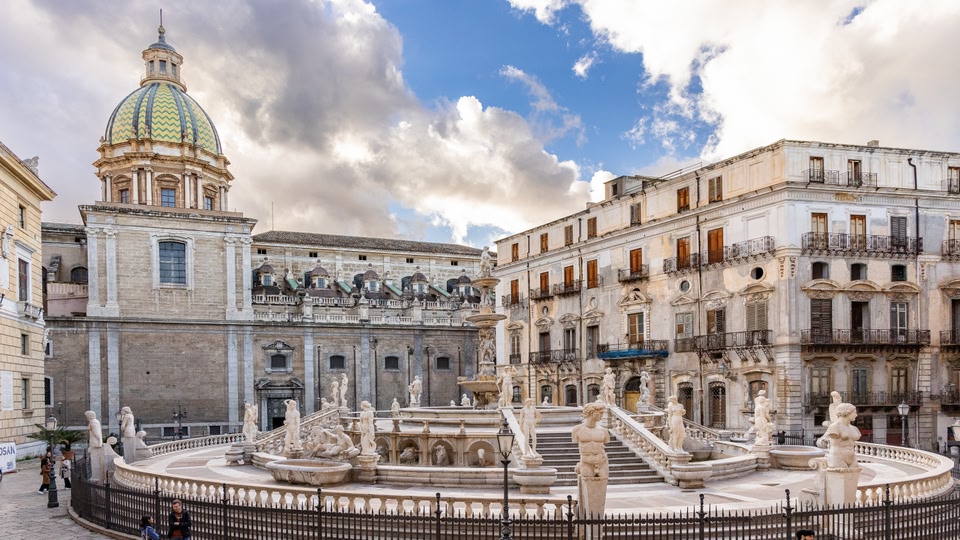
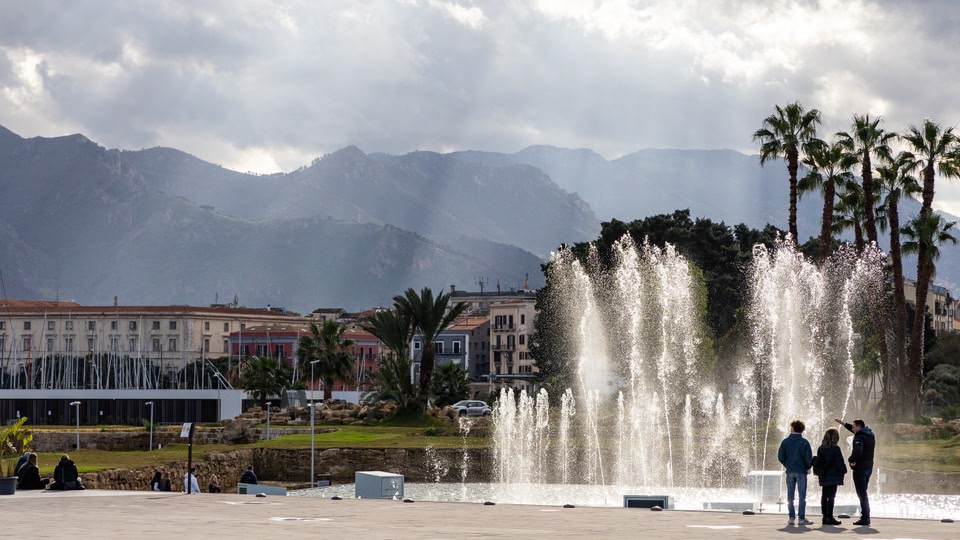
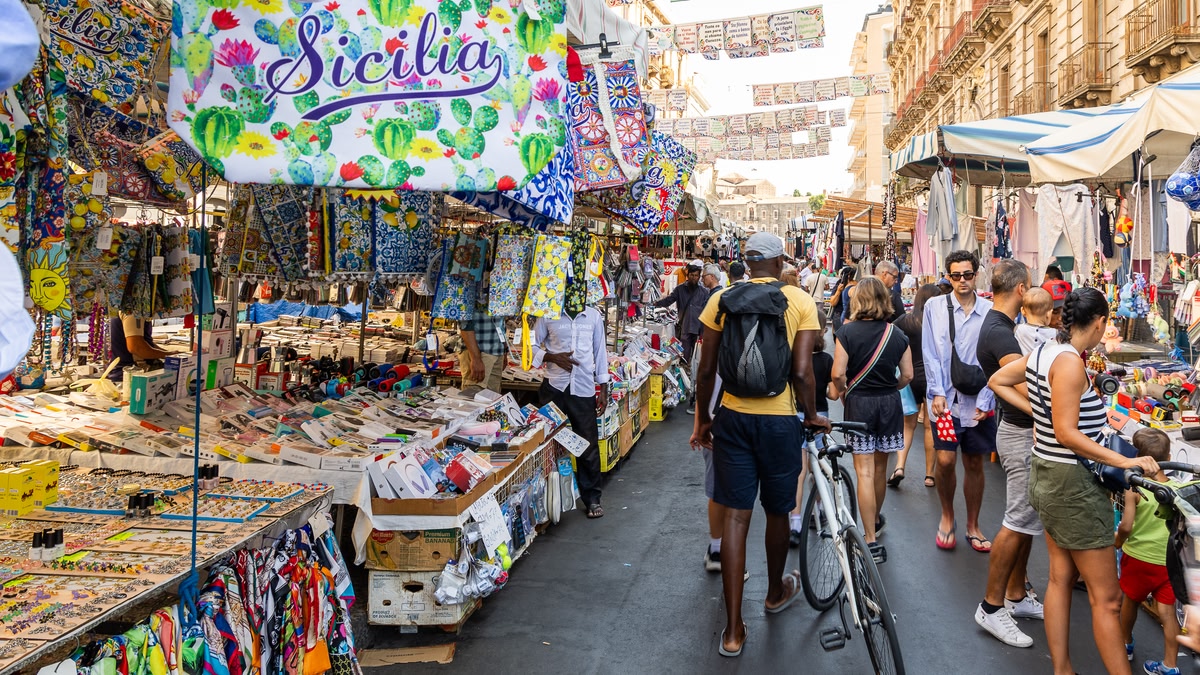
Stroll through bustling markets, attend a concert at Italy’s largest opera house or marvel at UNESCO-listed cathedrals in Palermo, Sicily's ancient walled city.
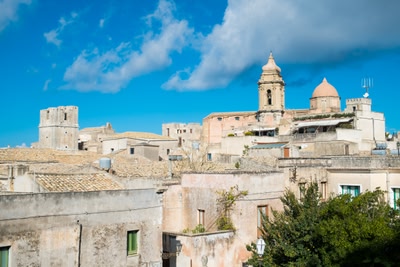
Trapani
Steeped in ancient legends and brimming with rugged coastlines, this Sicilian port town is the perfect place to relax and recharge by the sea.

Catania
Between the turquoise Ionian Sea and the inky slopes of Mount Etna, Catania dazzles with its blend of Baroque architecture and Greco-Roman history.
Sicily: fast facts
Language
Italian
Currency
Euro (€)
Time zone
Palermo - UTC+1 (CET) and UTC+2 (CEST)
High season
June – September
Low season
November – March
Sicily holiday highlights
Street feasts
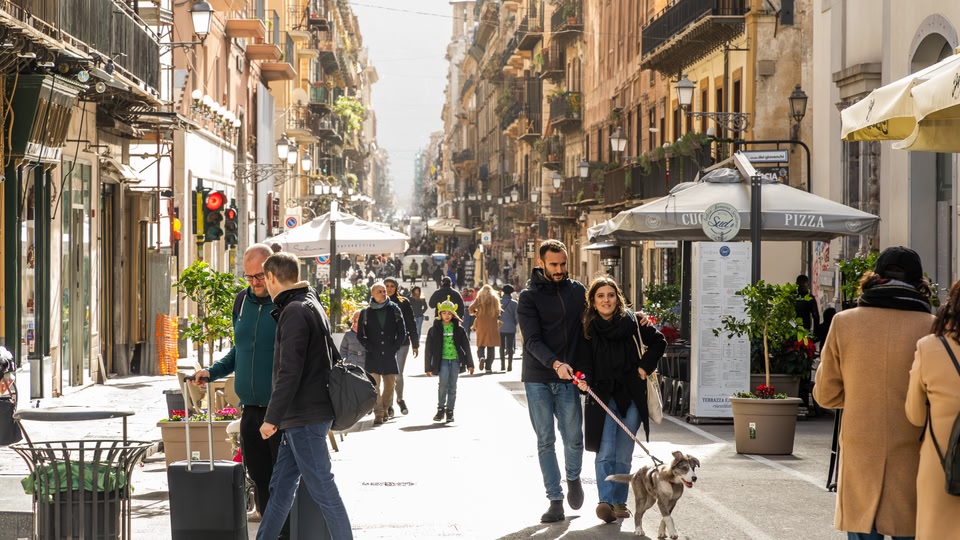
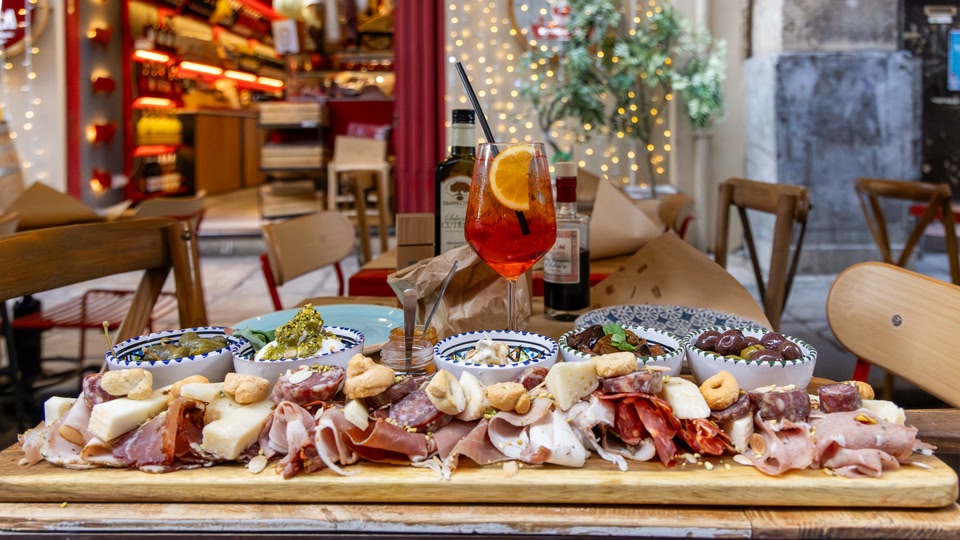
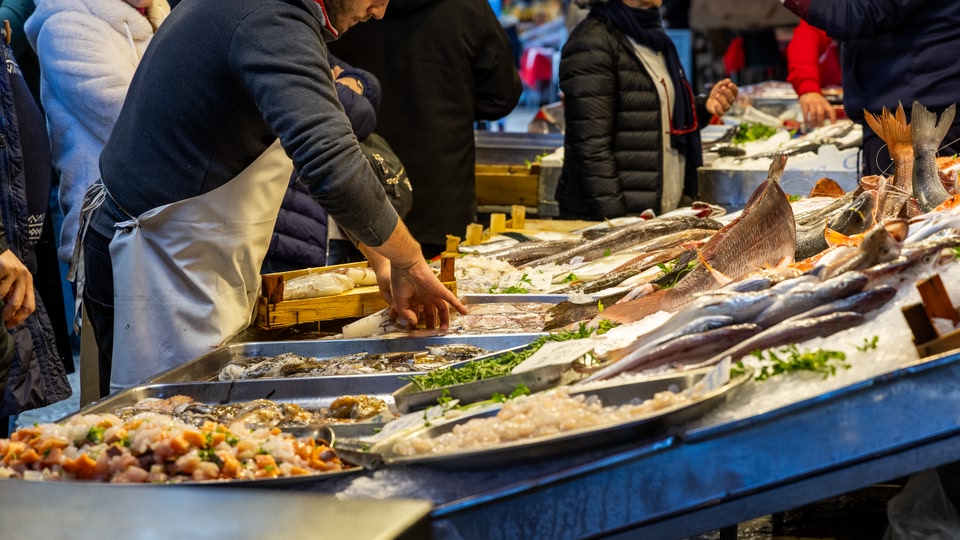
Eating street food is one of the best things to do in Sicily, an island that takes its culinary traditions seriously. Every town has its speciality, but you’re bound to come across ‘arancini’ (stuffed rice balls), ‘scaccia’ (flatbread stuffed with sauce and cheese) and ‘panelle’ (chickpea fritters served on fluffy white rolls). And don’t miss the sweet cannoli (ricotta-filled pastries), filled fresh to order.
Ancient history
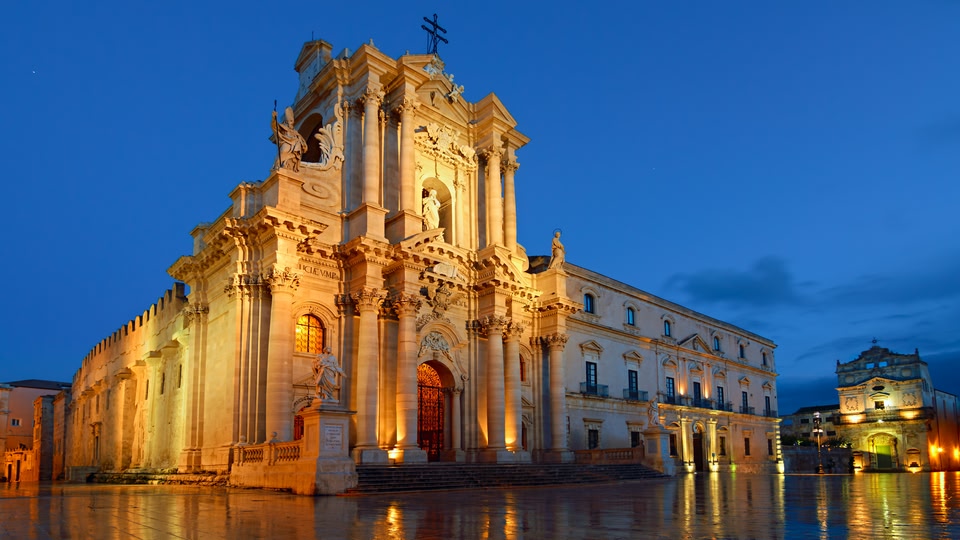
Many different civilisations have shaped Sicily, from the Phoenicians and Romans to the Fatimid and Aghlabid dynasties of North Africa. This history decorates the landscape all across the island. See Corinthian architecture in Syracuse and Palermo and the ancient hilltop ruins of Segesta. Just south of Agrigento, the 2,000-year-old Valley of the Temples is one of Sicily’s most thrilling archaeological sites.
Island hopping
Some of Sicily’s most pristine coastline is found on its islands. To the north are the Aeolian Islands, each with dramatic rocky beaches and crystal-blue waters. To the west are the Egadi Islands, where Sicilians spend their summers feasting on fresh tuna. To the south, you’ll find the Pelagie Islands, offering incredible sea life spotting, and rugged Pantelleria, which is closer to Tunisia than Sicily.
Things to do in Sicily
Top attractions
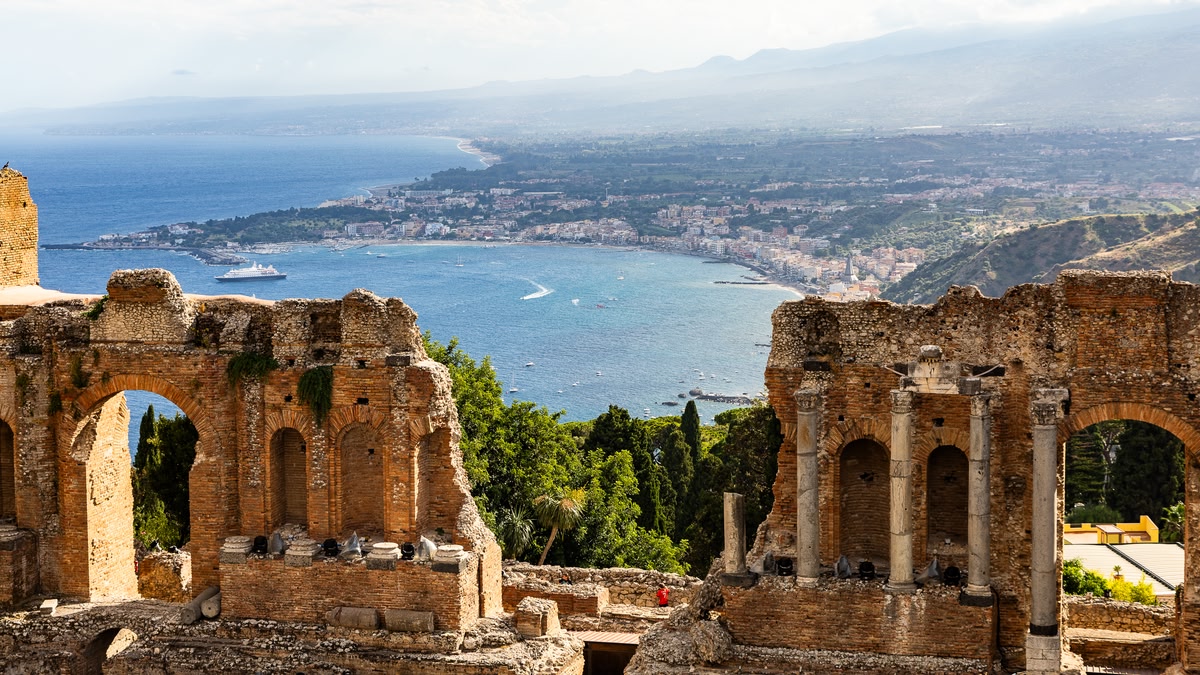
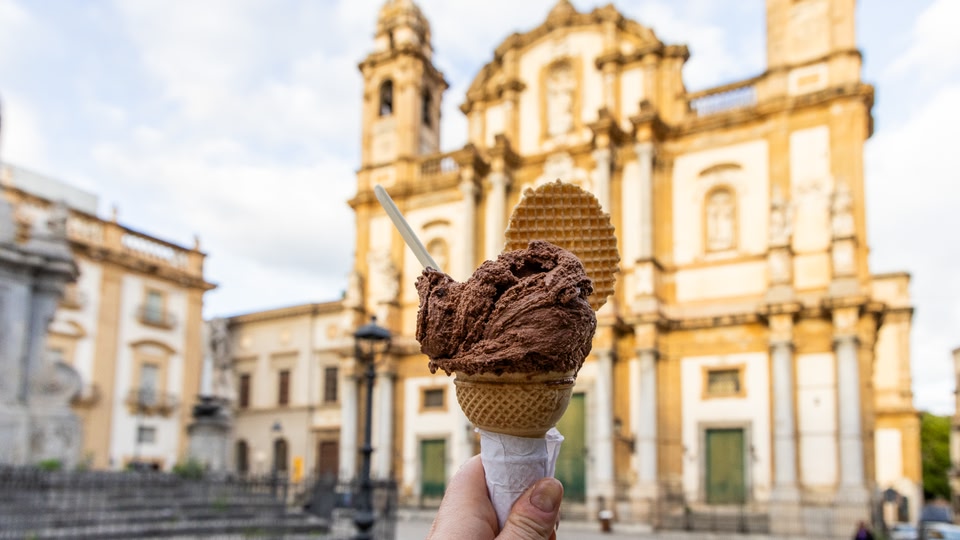
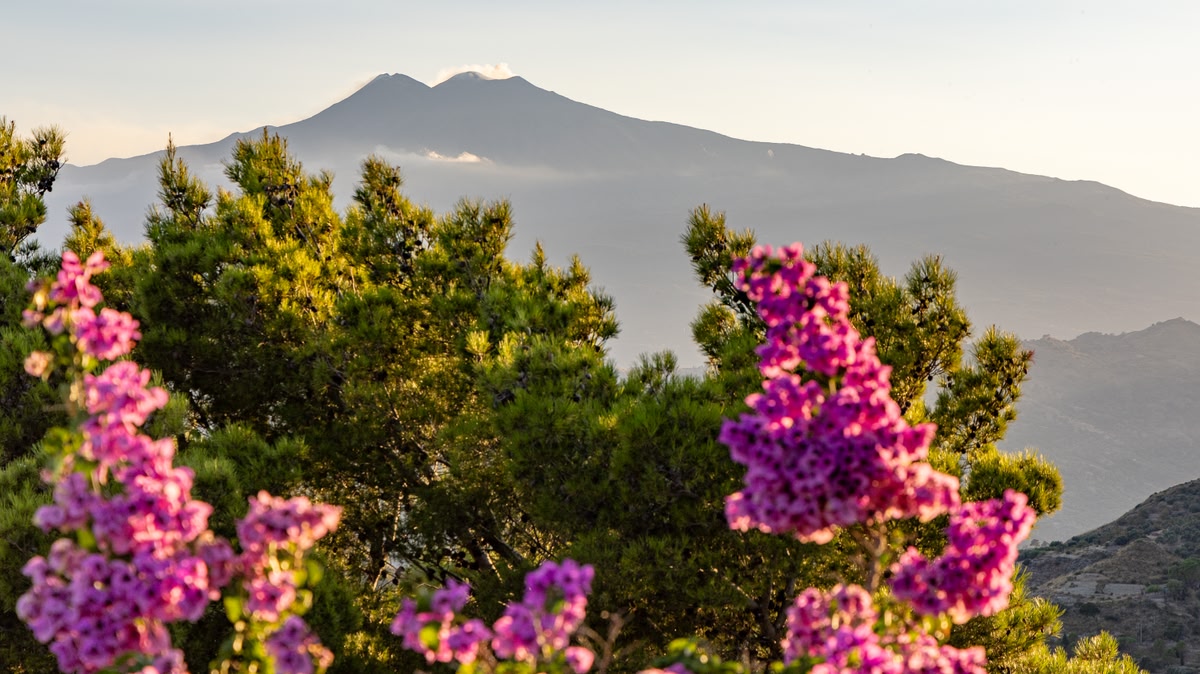
Mount Etna looms large over Sicily — its volcanic slopes not only shape the landscape but also produce excellent wine. History lovers can explore Agrigento’s Valley of the Temples, home to remarkably well-preserved Greek ruins. And in cliffside Taormina, made famous by ‘The White Lotus’, cobbled lanes invite slow strolls, sea views and plenty of gelato.
Beaches
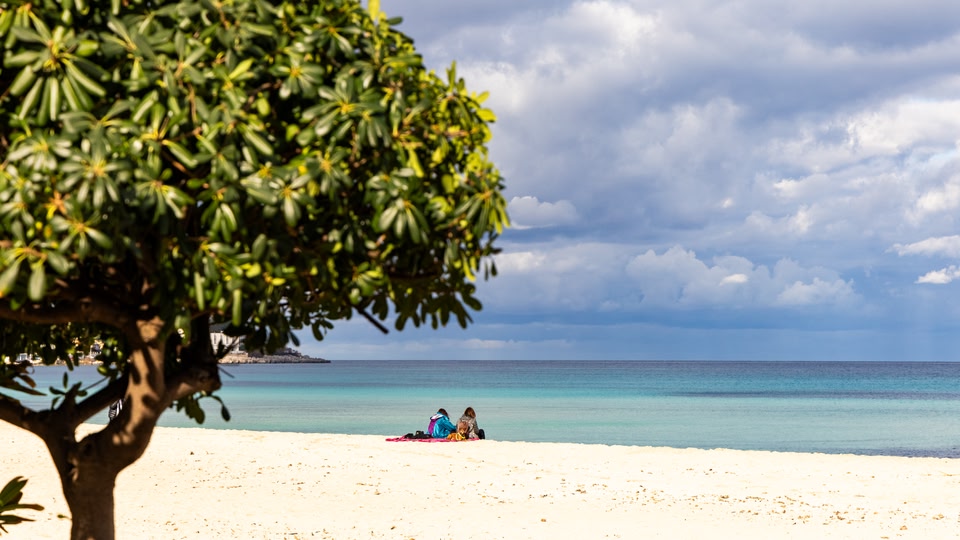
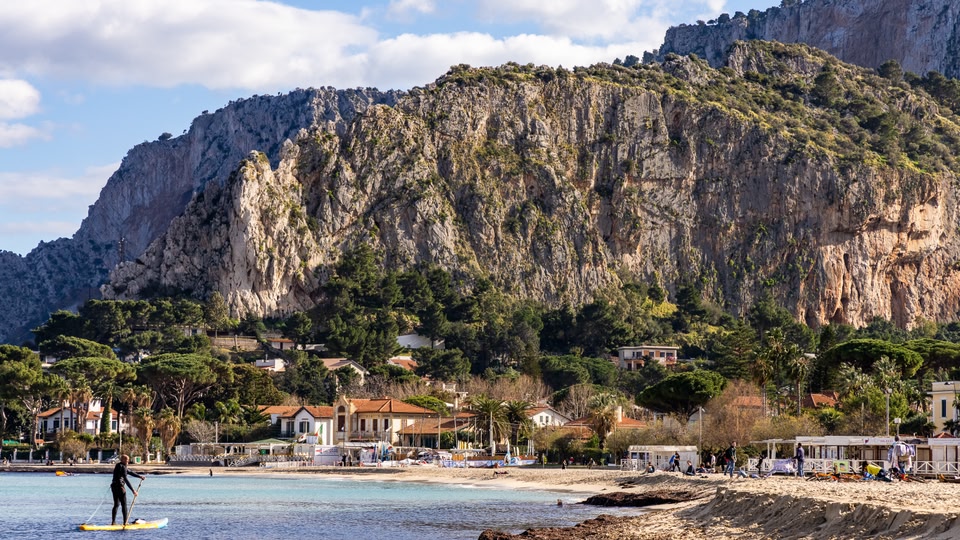
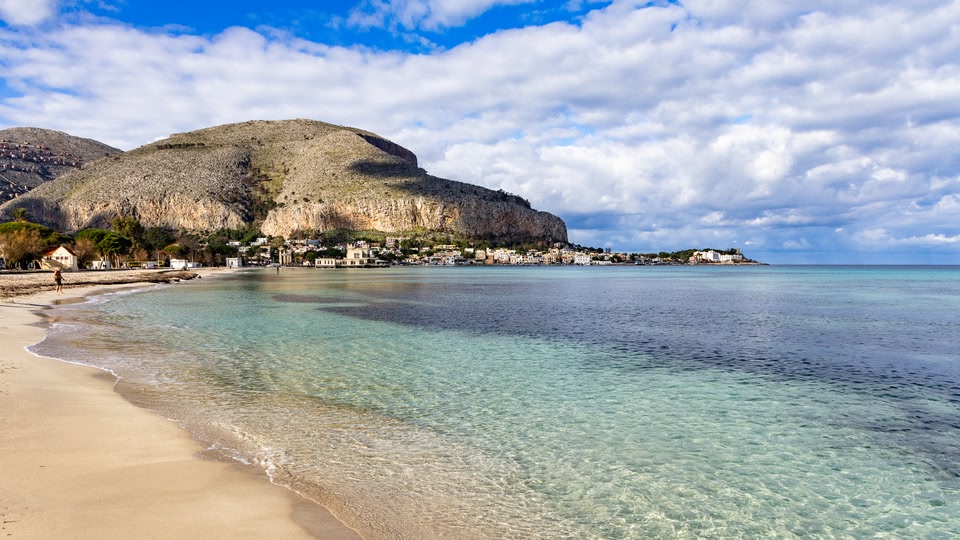
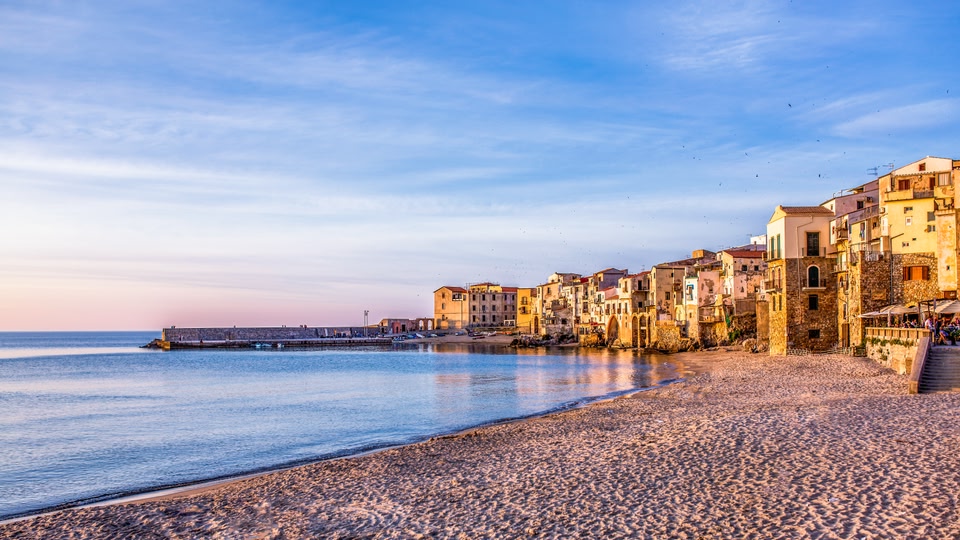
The lineup of the best beaches in Sicily presents you with some tough decisions. Do you want to see the ivory cliffs of Scala dei Turchi or the calm turquoise bay of Scopello? Are you craving the golden sands of Cefalù and San Vito Lo Capo or the charming pebbled beach of Isola Bella? The island’s diverse coastline offers endless exploration by car, boat and snorkel.
Nature
Sicily’s sweeping landscape is crowned by mighty Mount Etna. Located in Sicily’s east, it’s the most active volcano in Europe and is best explored via a guided tour. To adventure through Sicily’s green lungs, visit Vendicari Nature Reserve, which hosts flamingoes in spring and autumn. There’s also Cavagrande del Cassibile for wildflowers and ruins and Nebrodi Park for lakes and verdant valleys.
Cuisine
Although Italian in nature, Sicilian food has Greek, Spanish and North African influences. When ordering at restaurants in Sicily, try local specialities like ‘pasta con le sarde’ with fennel and sardines, ‘pasta alla norma’ with aubergine and salted ricotta, and fish couscous. Wash it down with a bracing glass of local white wine. For breakfast, join the locals for a brioche with ‘granita’ (sweet, fruit purée).
Culture and museums
The niche museums of Sicily offer some of the best cultural experiences. Both the Tonnara di Favignana and the Tonnara di Scopello Museum dive into the region’s tuna fishing industry. The Benedictine Monastery of San Nicolò in Catania is an unforgettable time warp. And the Rooms at the Museum of Majolica Genius is an exploration of one man’s obsession with Italian tile making.
Nightlife
The nightlife in Sicily is more slow burn than all-night rave. In Palermo, piazzas fill with live music and chattering crowds sipping Aperol spritzes. Catania pumps up the energy with DJ sets in old monasteries and funky beach bars. Taormina’s scene is laid-back but glamorous — think rooftop cocktails, jazz under the stars and open-air concerts in an ancient Greek theatre.
Find the best time to visit Sicily
Weather in Sicily through the year
March – May: Spring is mild and sunny, ideal for sightseeing. The air is perfumed with the scent of blood oranges and Femminello lemons, making this one of the best times to visit Sicily.
June – August: Summer is hot and dry. It’s a good time to hit the beach, but wear plenty of sun cream and arrive early to secure your spot. Summer crowds are real.
September – November: With warm days and cool evenings, autumn is a great time for a food and wine holiday. You’ll find the grape and olive harvests in full swing.
December – February: Sicilian winter stays mild on the coast, but Mount Etna gets enough snow to keep a couple of modest ski resorts running.
Events in Sicily
Carnival of Acireale (February to March): This pre-Lenten party is one of the liveliest events in Sicily. Revellers parade through the streets in wild costumes under a shower of confetti as elaborate floats roll by.
Noto Flower Festival (May): The cobblestone streets of Noto become a canvas for flower artists, who create intricate, large-scale mosaics depicting religious scenes and cultural icons.
Taormina Film Fest (June): Glamour meets ancient history at Taormina’s cliffside Greek theatre. Celebrities and movie fans come together to celebrate cinema under the stars.
Feast of Santa Rosalia (July): Palermo’s biggest spiritual celebration turns into a city-wide party with fireworks, parades, illuminated floats and midnight processions, all meant to honour the city’s patron saint.
Know before you go
Getting around Sicily
Public transport
Buses: Buses serve towns and rural areas, especially where trains don’t reach, making them a good option for shorter journeys. Companies like Interbus and SAIS connect major cities, but schedules can be patchy, so it’s always smart to double-check times before you travel.
Trains: Sicily’s rail network connects major cities like Palermo, Catania, Messina and Agrigento. The routes offer mostly scenic views, but trains tend to be slow, with occasional delays and limited service on weekends.
Boats: Ferries and hydrofoils zip to the Aeolian Islands, with regular departures from Milazzo, Messina and Palermo. They’re ideal for day trips or island hopping, especially to Lipari or Stromboli. A 30-minute hydrofoil from Trapani takes you to the less visited island of Favignana. Car ferries are available to and from mainland Italy via major ports.
Domestic flights
Sicily has four main airports — Palermo, Catania, Trapani and Comiso. Catania is the busiest and best for international connections. The island is small enough to drive across in just a few hours, so there are no flights between Sicilian cities.
Driving and car hire
Hiring a car gives you ultimate freedom. But be warned — Sicilian drivers are bold, signage is inconsistent, and parking can be challenging. Stick to small vehicles and avoid city centres when possible.
FAQs about Sicily holidays
More holiday inspiration
How to get cheaper hotels: Five hacks to save big

Do I need a visa travelling from the United Kingdom?