
Experience the Seven Kingdoms at these amazing real-life Game of Thrones locations from across the franchise.
While the Fire and Ice sagas have become known for their gripping storylines and unforeseeable twists, what you can expect from the original and spin-off shows are striking locations that you’ll want to see for yourself. So, whether you’re planning on following in the footsteps of Ser Duncan, Rhaenyra Targaryen, or the one and only Khaleesi herself, here’s your Game of Thrones travel guide to immerse you in George R.R. Martin’s GOT universe, and help plan your next set-jetting adventure, visiting the series' new and favourite filming locations.
Filming locations from A Knight of the Seven Kingdoms
While there are three series in the making, the first in the latest Game of Thrones spinoff show takes place solely in Northern Ireland. Fans of GOT will already be familiar with the sweeping, lush and often moody landscapes of Westeros, so it’s no surprise that the filming locations for A Knight of the Seven Kingdoms (KOTSK) promise the same dramatic settings.
Fans can hack their annual leave allowance to unlock even more days off to experience these Game of Thrones locations.
Northern Ireland
Hen Mountain: Where Ser Duncan’s epic journey begins
The premise of the show centres around a young knight, Ser Duncan the Tall, and his boy squire (the future king, Aegon V Targaryen), following their quests of bravery, brotherhood and beastly surprise turns as they travel through Westeros.
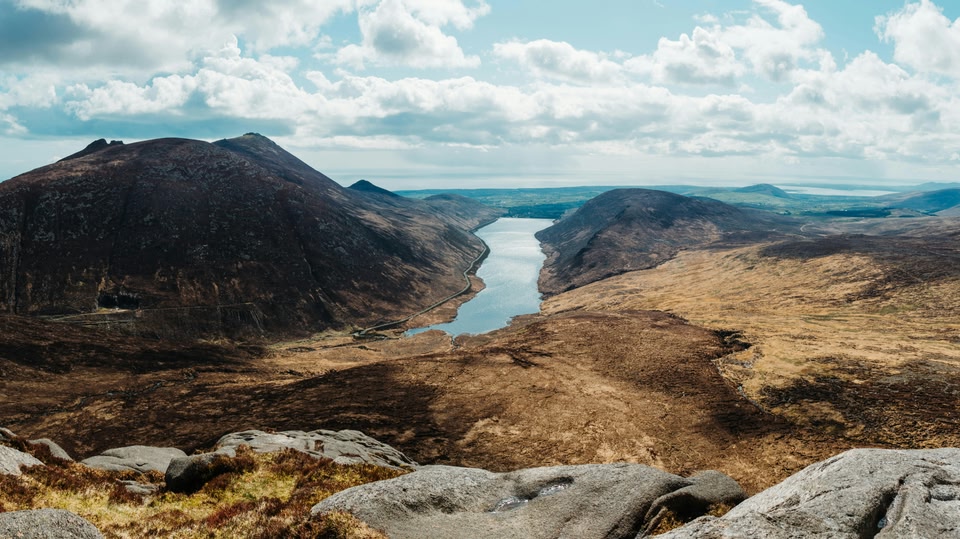
We learn that Ser Duncan was an orphan boy plucked out King’s Landing’s biggest slum, Flea Bottom, by the hedge knight, Ser Arlan of Pennytree, and transformed through training into Ser Duncan the Tall. However, in true GoT style, en-route to a key tourney in the market town of Ashford, his master unexpectedly falls ill and dies, forcing Ser Duncan to continue alone. The pivotal scene where Ser Duncan is burying Ser Arlan under a twisted tree, which kick-starts his coming-of-age tale takes place beside Hen Mountain in the alluring Mourne Mountains, which were also used for various Game of Thrones locations, such as the Haunted Forest, and the lands North of the wall.
The Crownlands: Tollymore Forest Park
Tollymore Forest Park is another veteran Game of Thrones filming location, and is located in the Mourne Area of Outstanding Natural Beauty, just at the foothill of the Mourne Mountains. It was first introduced to fans of GoT as Ned Stark’s discovery ground of the direwolf pups, who go-on to be integral to his family’s legacy, and is then featured several times across the seasons. Here, Theon Greyjoy is chased on horseback by the infamous, Ramsay Snow, and later, it’s also used as forbidding White Walker territory. Once again, it will resume its starring role as the woodlands of Westeros, specifically used as the scenic backdrop for the Crownlands, the hotly contested royal domain directly ruled by the Targaryen Iron Throne.
Ashford Meadows: Better known as Glenarm Castle Estate
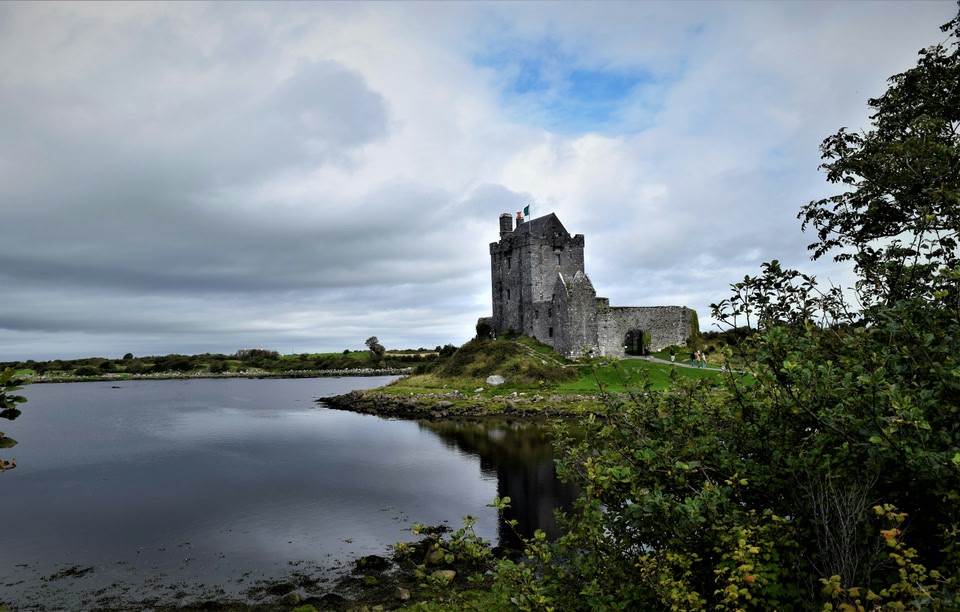
Ashford is a market town where our protagonist finds himself travelling alone to try and win the esteemed tournament taking place in Ashford Meadows. While much of fictitious Ashford has been filmed at Myra Castle near Downpatrick, which was also used for Dreadfort, the stronghold of House Bolton in Game of Thrones, this private residence, is off limits for general visits. Don’t fret though. While Glenarm Castle Estate is mostly known for it’s silver-hued castle, its lush grounds will instead be featured on the silver screen, doubling up as the fictitious village of Ashford and Ashford Meadows where the medieval joust takes place.
Ancient Westeros: The Hidden Village of Galboly
A Knight of the Seven Kingdoms is set around a century prior to Game of Thrones, during a period where Westeros is experiencing a moment of calm. To convey this, the Hidden Village of Galboly was chosen to set the scene in episode 2 of the new series, as in real-life, it truly feels like a place that time has abandoned. It was also used as a filming location in Game of Thrones, standing in as Runestone in the Vale of Arryn.
Where was House of the Dragon filmed?
House of the Dragon also takes place before the original Game of Thrones series, and explores the tumultuous rule and eventual fall of House Targaryen. Along with unexpected plot lines, blurred definitions of heroes and villains, series 1 and 2 of the GOT spin-off so far is characterised by sensational filming locations you have to see to believe.
Portugal
House Targaryen’s stronghold: Monsanto
Dragonstone is the ancestral home of the House of Targaryen, so the stone village of Monsanto, with its giant boulders, mountainous terrain and ruined eponymous castle, which dates back to the time of the Templar’s, seems fitting as the seat of the dragon-riding, ill-fated family whose dynastic rule is marked by a similar mystic allure and misfortunate destiny. Fun fact, Monsanto was once named ‘the most Portuguese village in Portugal'.
Spain
The original Dragonstone: San Juan de Gaztelugatxe
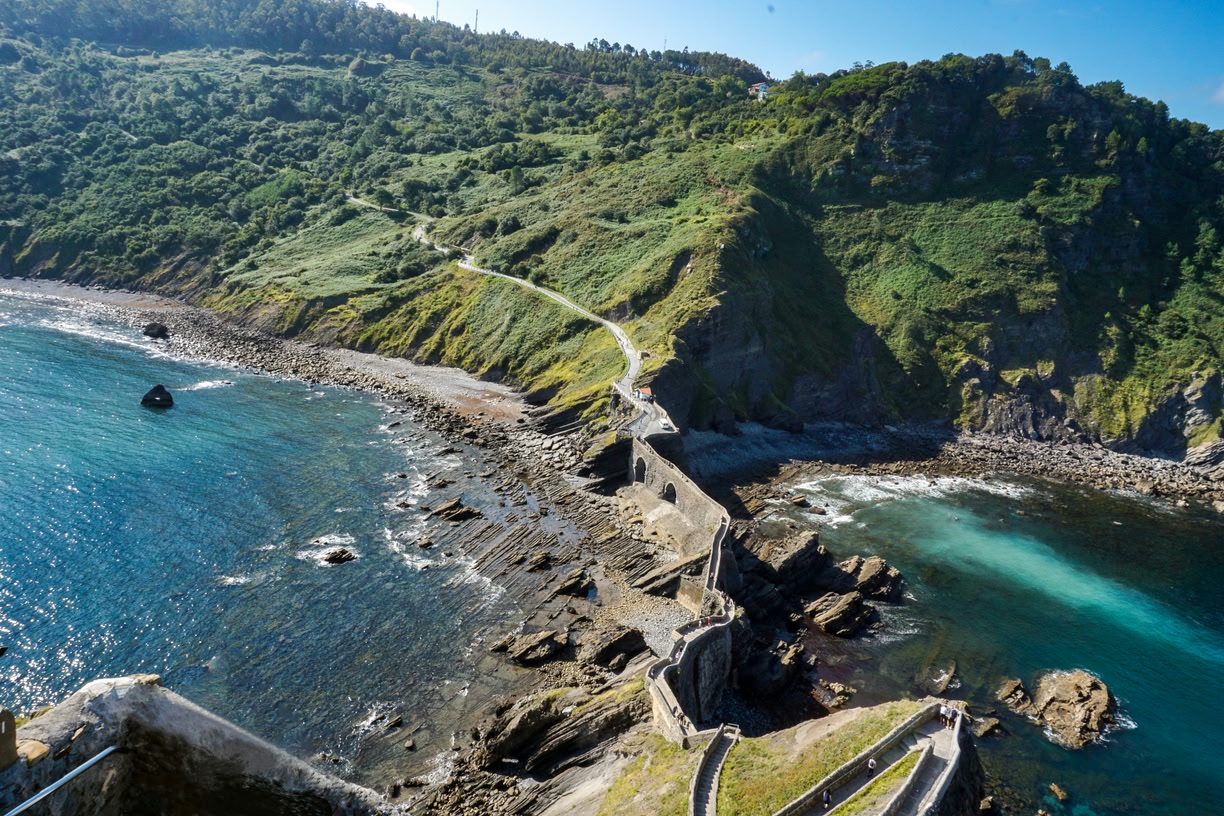
Possibly one of the famous filming locations from Game of Thrones, Daenerys Taegaren’s prophetic return to claim the Iron Throne sees her walking ceremoniously towards her ancestral home, Dragonstone, as she traverses a dark carbon-coloured stony bridge while her Dragons soar above the crashing waves. To preface the significance of this highly dramatic full-circle moment, where she finally returns to the Taegaren’s home in Westeros to fulfil her destiny after being forced to live in exile, it was necessary to revisit San Juan de Gaztelugatxe in House of the Dragon, which takes place much earlier in the GOT timeline, when her family sat on the Iron Throne.
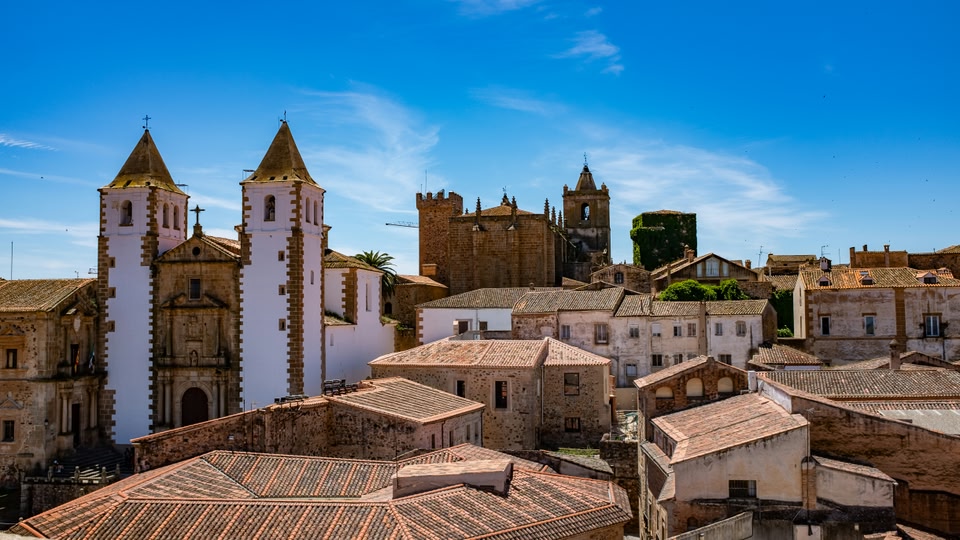
King’s Landing: Cáceres
Although Croatia famously became synonymous with King’s Landing in GoT, Cáceres in Spain’s lesser-visited Extremadura region actually played a key role, standing in for capital of the Seven Kingdoms on several times occasions in the original series. Trujillo Castle served as Jaime Lannister’s home, Casterly Rock, and street sequences feature the city’s Plaza de Santa María and the Arco de la Estrella. It’s no surprise then that the s crumbling yet preserved, medieval yet fantastical UNESCO World Heritage old town was chosen as King’s Landing once again in House of the Dragon. This is where you’d go for example to recreate Daemon and Rhaenyra big night out in Flea Bottom, exploring the parts of the city otherwise off-limits to the royals.
The Marital Home of Daemon and Laena in Pentos: Castillo de la Calahorra
In season one, following their marriage, Daemon Targaryen and Laena Velaryon make the move East across the Narrow Sea to the free city of Pentos to establish their new home, away from the brewing tension at King Viserys I's court. Their home, a luxurious mansion, was shot at Castillo de la Calhorra, an ancient fortress dating back to the Renaissance period which stands on the foothills of Andalucia’s Sierra Nevada region. It’s romantic, rugged and though privately owned, tours can be arranged. Just don’t be expecting Matt Smith in the hallway.
England
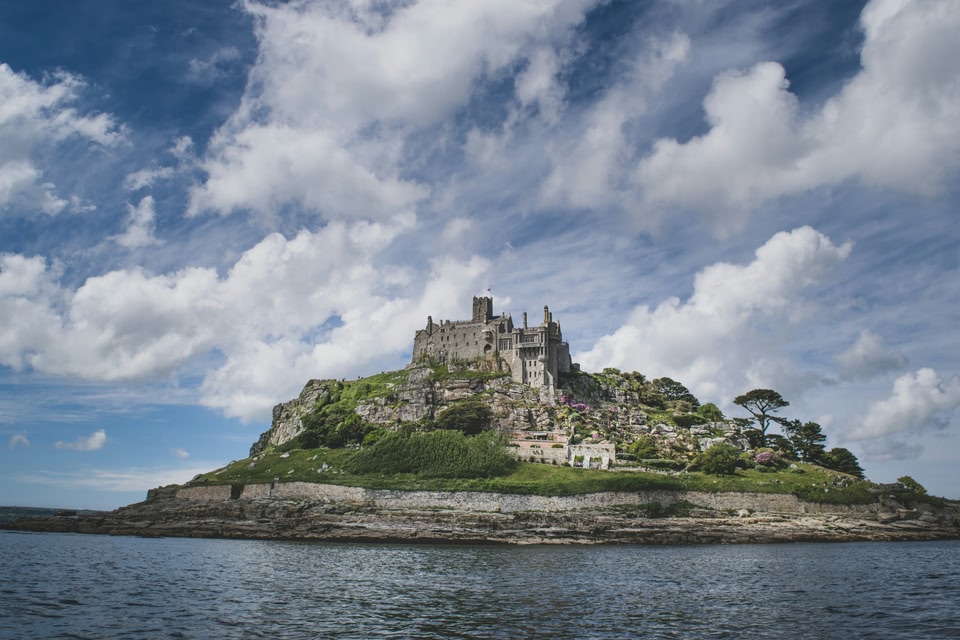
High Tide, home to House Velaryon : St. Michael’s Mount
House Velaryon is an ancient family that predates House Targereon, though they are sworn to Dragonstone. Driftmark is their ancestral seat and the one of the largest island of the crownlands, which houses their castles, Driftmark and High Tide. The latter is depicted in the House of Dragon series by the mysterious and stunning floating castle, St. Michael’s Mount in Cornwall, which can be reached on foot when tides are low (or by dragon when the sea closes the entryway). Nearby, Kynance Cove was also used to film various sequences of the Velaryon army camp during season one’s War of the Stepstones, which ultimately leads to Daemon Targereon crowned as King of the Narrow Seas after he defeats the Crabfeeder.
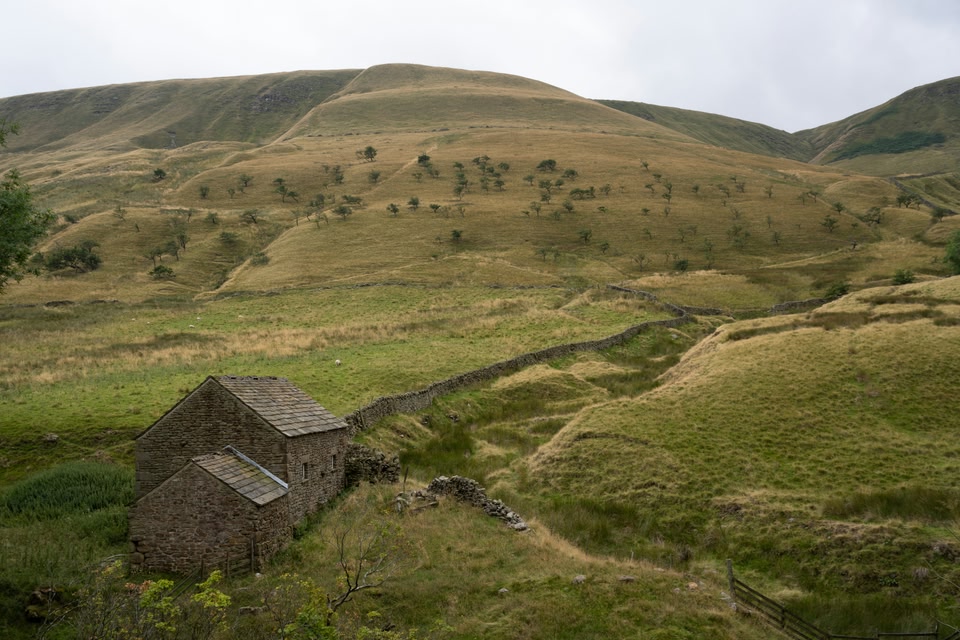
Vale of Arryn: Castleton
The Vale of Arryn in Season One of the Game of Thrones prequel is filmed at Castleton, a picturesque village located in the Peak District. It’s eerie landscapes also made it the perfect location for the bleak House Arryn and their creepy castle, the Eyrie, where enemies were pushed to their death through the moon door, which luckily, doesn’t exist in real-life.
How to plan a DIY Game of Thrones tour
Many of the Game of Thrones filming locations became instantly recognisable over the course of the original series, and though it’s been two decades since it originally aired, these are some of the most-iconic places to visit where you can relive the drama, heartbreak and action all over again:
Croatia
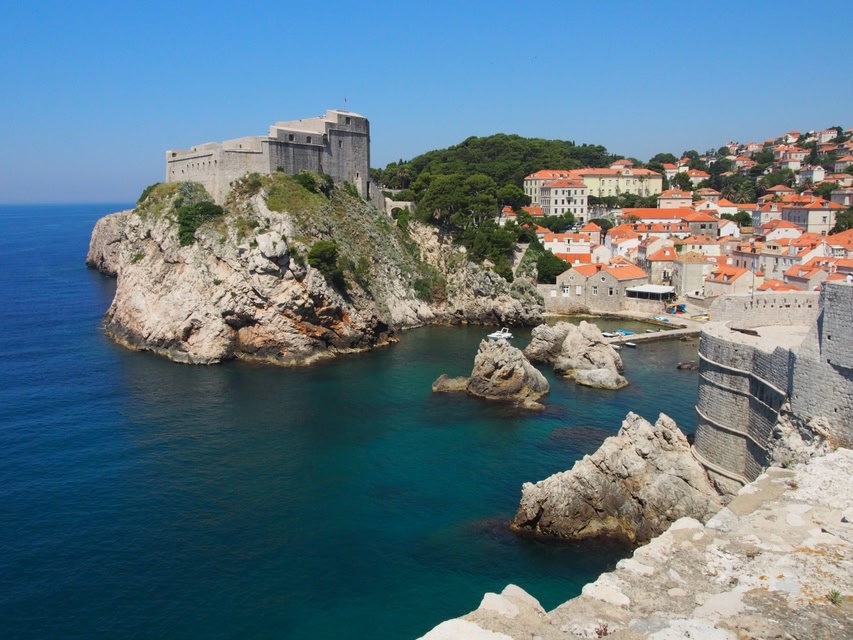
The original King’s Landing: Dubrovnik
For now and forever more, Dubrovnik will be known as the official seat of the kings of Westeros, King’s Landing, as it remains one of the most recognisable filming locations from Game of Thrones. For fans of the show, a visit to Dubrovnik is nothing short of a ‘filmgrimage’ as perhaps there’s no one place better to feel immersed into Westeros. Create your own DIY Game of Thrones tour as you walking through the Old Town. You’ll instantly recognise the Jesuit Staircase, where Queen Cersei was infamously made to walk in shame, and the Ethnographic Museum, better known as Petyr Baelish's brothel. But perhaps the most iconic location is the Red Keep, filmed at Fort Lovrijenac, which was burnt down by Drogon in Daenerys’ furious siege of the city. Another notable mention is Minceta Tower, used to film the mysterious and creepy House of the Undying, where Daenerys foresees the shocking Red Wedding.
Qarth: Lokrum
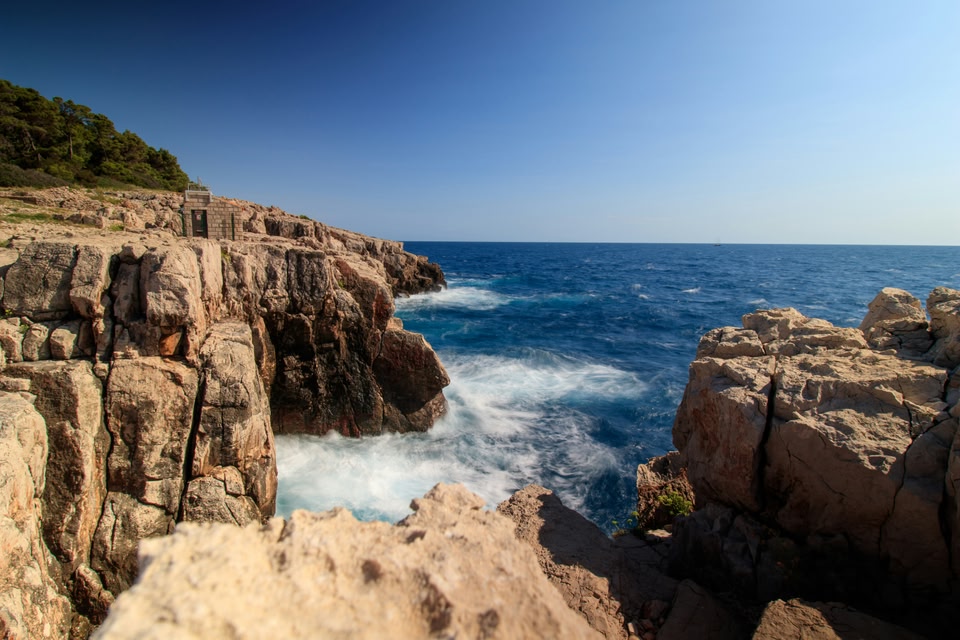
Qarth is referred to the greatest city that ever was and will be. Located in Essos, east of the Narrow Sea, it’s here that Daeneyrs seeks refuge for her and her khalasar, who are wondering the Red Waste following the death of Karl Drogo at the end of Season 1. In Qarth, she’s taken hostage along with her dragons and kept captive in the House of the Undying. In real-life, Qarth sequences were shot close to Dubrovnik, on the lush island of Lokrum, which is just a 10-minute boat ride from the old port.
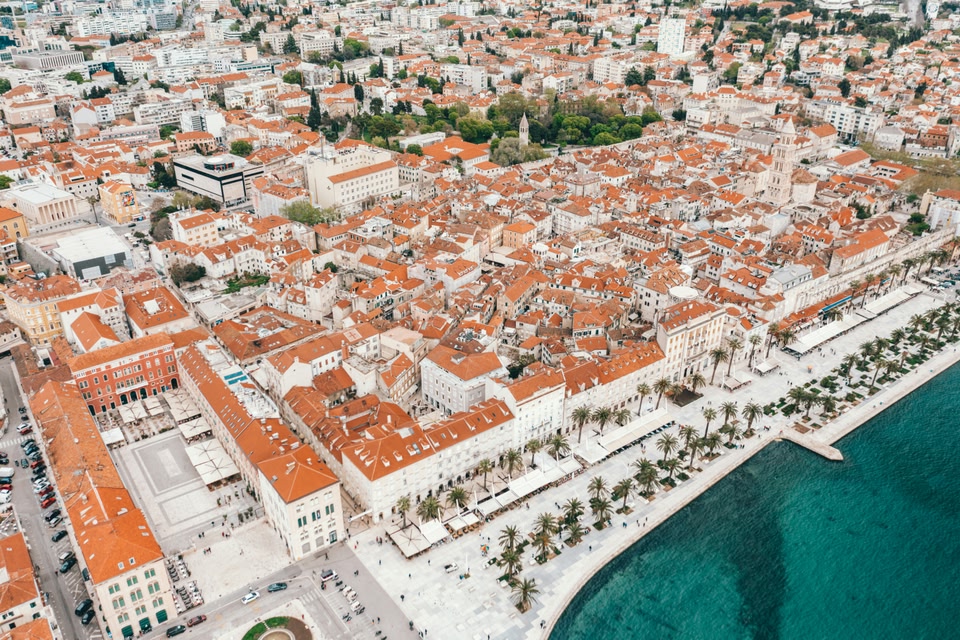
Meereen, the slave-trading city of Slaver’s Bay: Split
A visit to Split shouldn’t be without a visit to Diocletian’s Palace, nor the Kliss fortress, both of which were used as filming locations for the exterior scenes of the city of Meereen, while inside the palace, the Mother of Dragons trained her fire babies, Viserion and Rhaegal in Meereen catacombs. Near Diocletian’s Palace, on Bosanska Street, you’ll also find a museum dedicated to Game of Thrones.
Northern Ireland
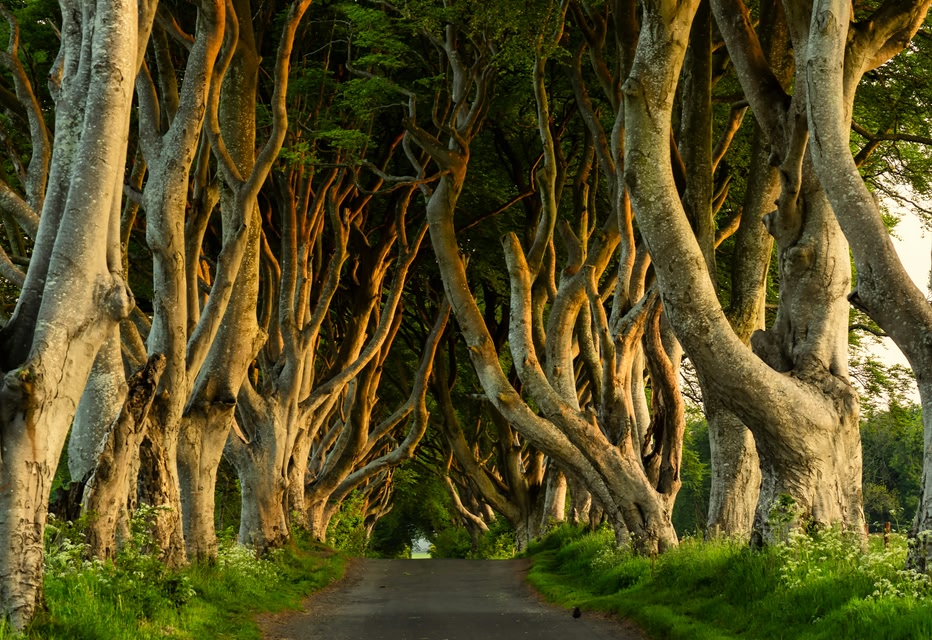
The Kingsroad: AKA The Dark Hedges
Who knew this stunning avenue of beech trees would become one of the most photographed locations in Northern Ireland, thanks in particular to the fact that it was used in Game of Thrones as the filming location for The Kingsroad. Here, ’s here that Arya Stark, disguised as a boy, travels north after escaping King’s Landing, joined by Gendry and Hot Pie. Their journey marks the beginning of Arya’s transformation and one of the show’s most beloved character arcs.
Winterfell: Castle Ward
Castle Ward in itself sounds like a location from Game of Thrones in itself but the courtyard of this 19th Century National Trust mansion was used extensively as the filming location for House Stark’s beloved home, Winterfell. Here, King Robert Baratheon and his court arrive to greet his long-time friend and event, King of the Hand, Ned, head of the Stark family, before all their fates turn. Today, Castle Ward offers archery experiences in the very same place where Robb, young Bran, and the eventual King of the North, Jon Snow trained.
Riverrun: Corbet
Riverrun plays an immensely strategic role during the War of the Five Kings and serves as the ancestral seat of House Tully. So who could have guessed that it’s filming location is the tiny, rural village of Corbet, known for its tranquillity. The local ruins were used as part of Riverrun castle, though it was supported by a purpose-built set close by. Fun fact, the village of Saintfield village, just a stone’s throw away, was also used for one of the most famous battle sequences of Game of Thrones, the Battle of the Bastards.
Morocco
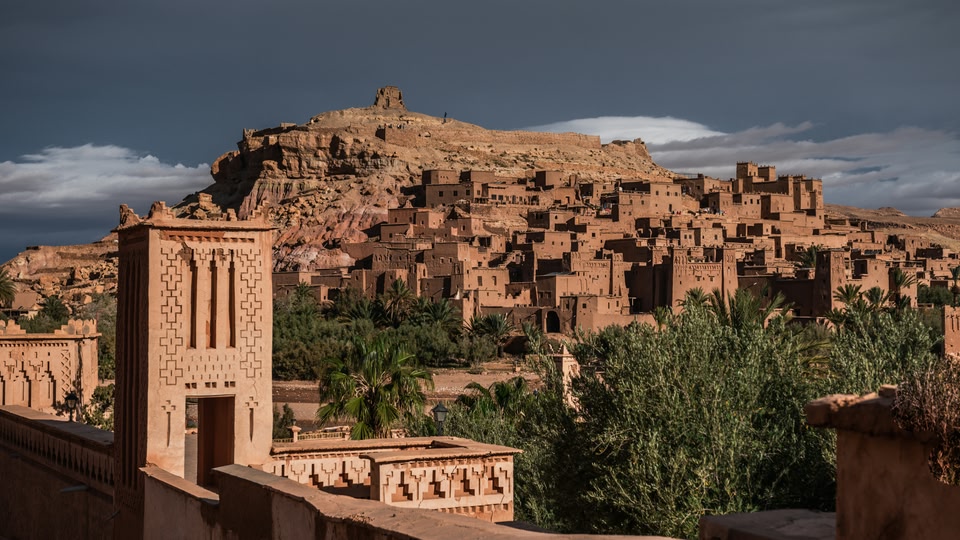
Yunkai: Aït-Ben-Haddou
Set against the red-earth landscapes of Ouarzazate in Morocco, the ancient ksar of Aït-Ben-Haddou was chosen as the filming location for Yunkai, one of the Free Cities Essos, which ironically participates in slave trade. Here, Daario Naharis becomes a loyal confident to Daenerys Targaryen and ultimately joins her campaign to free the oppressed across Essos, as well as to ultimately, build her army and support to reclaim the Iron Throne. The city has also been featured in Lawrence of Arabia, The Mummy, Gladiator, Alexander, Babel and Prince of Persia among others, making it a great place to visit for both Thrones fans and cinema lovers.
Essos: Ouarzazate’s Atlas Corporation Studios
Known as the Hollywood of Africa, Atlas Studios is located in the desert city of Ouarzazate and serves as a working set for many blockbusters such as Gladiator and Star Wars and is also where Ridley Scott’s Odysseus was filmed. During Game of Thrones, it was used for various scenes across Essos, such as for Pentos, Yunkai and Astapor, and is known as a ‘living set’, meaning that even when the cameras stop rolling, you feel immersed in the films and shows that can taken shape here. What’s particularly interesting about a visit here is a chance to meet the local families and hear their stories and experiences ad some have been working generationally as extras on the sets that are filmed here.
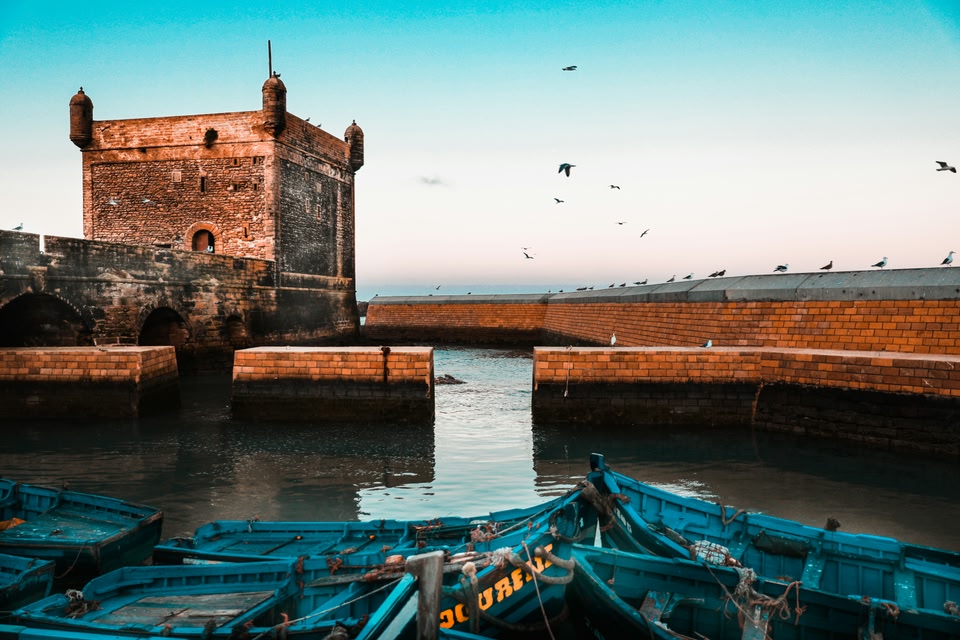
Astapor: Essaouira
One of Khaleesi’s defining moments is where she reveals that her mother tongue to be Valaryian, as she unexpectedly takes command of the enslaved unsullied, ordering them to kill every slave owner in Astapor. This scene cements her as a force to be reckoned with and foreshadows the fire and fury she’ll bring later. So naturally, Astapor has to be on any Game of Thrones tour, especially those in allegiance with the Mother of Dragons. Essaouira, a surfing village west of Aït-Ben-Haddou, was chosen as the filming location for Astapor and while previously popular as a hangout for well-heeled celebrities in the 60s, today draws in Game of Thrones fans as well as foodies on the hunt for impeccable Moroccan seafood dishes.
Spain
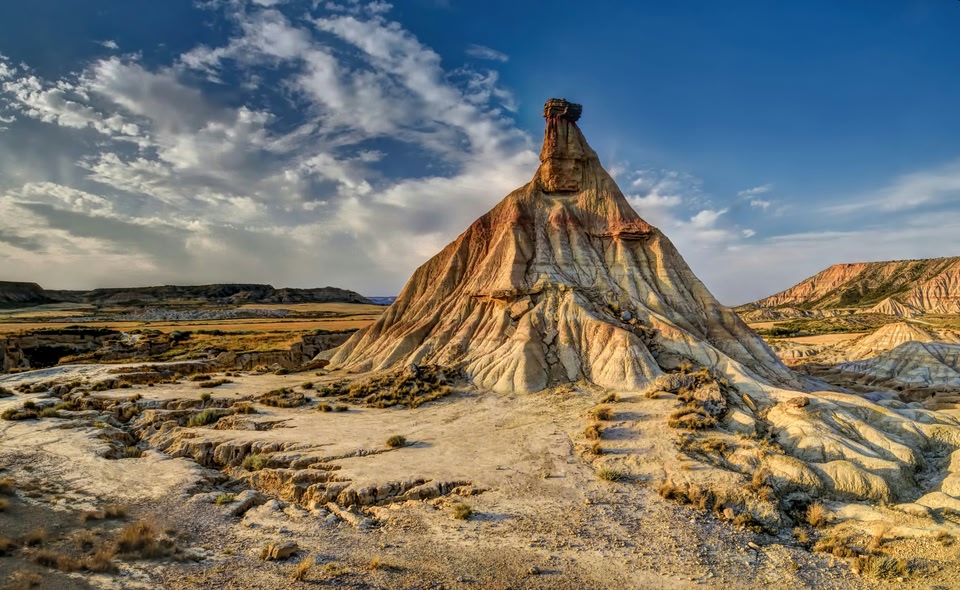
The Dothraki Sea: Bardenas Reales
Bardenas Reales is a truly spectacular, other-wordly landscape located in the lesser travelled region of Navarre. Those who have yet to experience its wonder for themselves are missing out but for those familiar with the terrain, it’s not hard to agree that it makes an excellent filming location for the Dothraki Sea, a vast, arid and exotic landscape where the horse-riding fierce Dothraki nomadic tribes thrive. Here, you truly feel miles away from the lush lands of Westeros.
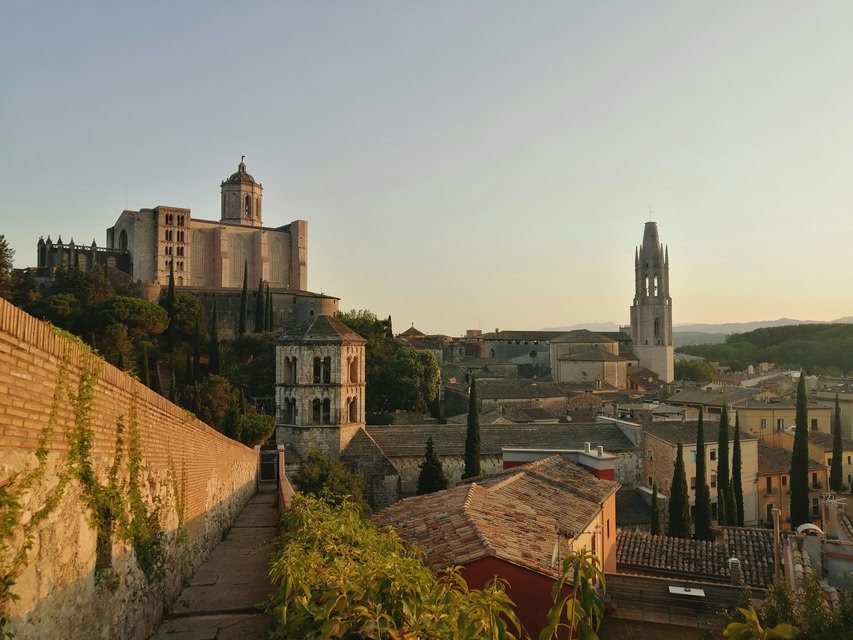
Braavos: Girona
Girona’s medieval streets and grand Gothic Cathedral made it one of Game of Thrones’ most versatile filming locations. The city’s Saint Mary’s Cathedral doubled as the exterior for the Great Sept of Baelor, specifically for court scenes involving the Faith Militant. However, it’s mainly recognised as the city of Braavos, where you can practically see Arya running through the cobbled alleyways or Arab Baths being chased by or chasing the Faceless Men.
Horn Hill: Santa Florentina Castle
Home of Samwell Tarly, good friend to Jon Snow and a member of the Knights Watch. While he travels to the Citadel to learn more about the growing but unknown threat (the White Walkers), Samwell sends Gilly and baby Sam to Horn Hill, seat of House Tarly, to be kept safe with his family, who are unaware that she’s a wildling…until a very tense and awkward dinner scene where her secret is discovered. The 11th Century castle itself makes for a great day trip from Barcelona or for those exploring the picturesque villages of Spain’s Costa Brava.
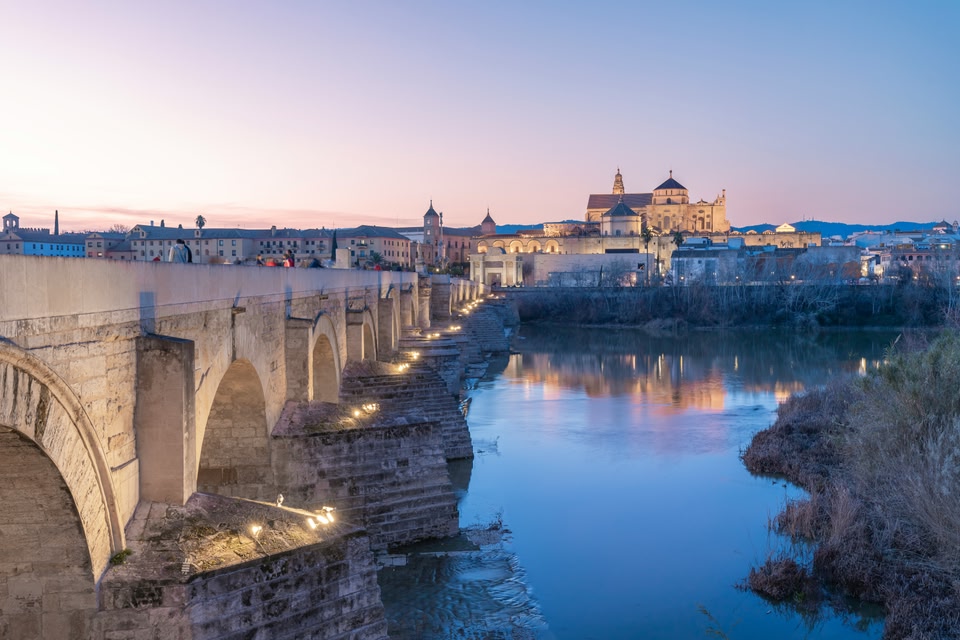
Voltantis: Córdoba
Córdoba is one of Spain’s most magnificent destinations, with its romantic squares and cobbled streets, arabesque architecture and stunning Roman bridge, which was used as the Long Bridge of Volantis in series five of Game of Thrones. While we make no promises of meeting any dragon-riding queens in the city, if you choose to follow in the footsteps of Ser Jorah Mormont and Tyrion Lannister by traversing the bridge, approach it from the south for the best view, entering the old city by the mosque.
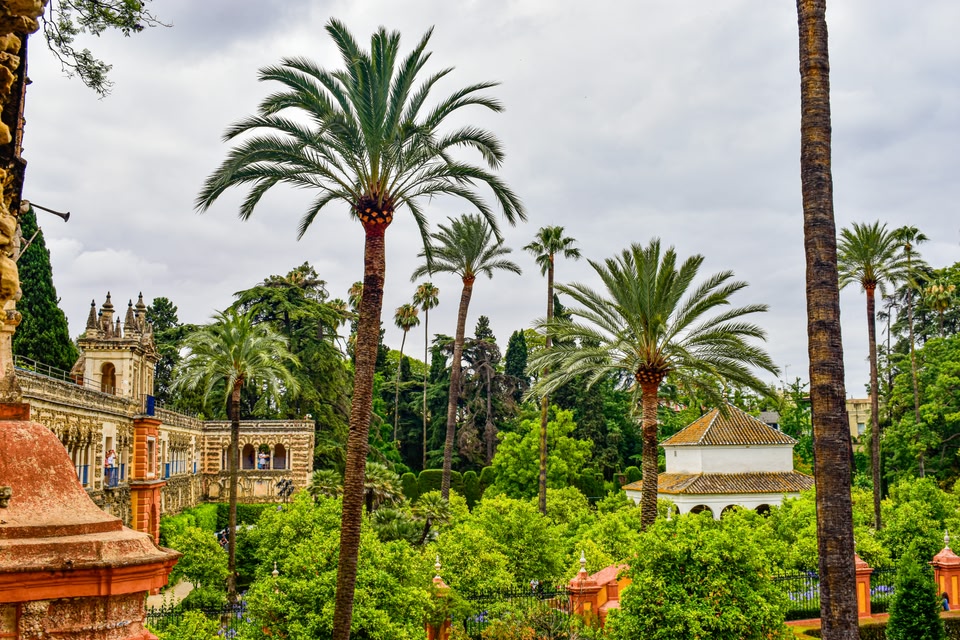
The Palace of Dorne: Alcázar de Sevilla
When visiting the captivating Alcázar of Seville, it’s hard to not think you’re in the Water Gardens of Dorne. The palace was chosen for the seat of House Martell, known for their beauty and exoticism, which perfectly describes Seville and it’s Alcázar.
Scotland
Winterfell: Doune Castle
This medieval stronghold near Stirling was originally has survived pretty much unchanged since the fourteenth century, evoking an air of mystery and suggesting many age-old secrets held within its walls. Perhaps then, no place was better to have filmed the unforgettable scene from the first series of Game of Thrones, where Jaime Lannister pushes a peeping Bran Stark from the window, ultimately sealing his fate, after he witnesses the forbidden romance between him and his sister, Cersei.
Malta
The Great Sept of Baelor: Fort Manoel
Perhaps no singular scene is as memorable across the entire GoT franchise as when Joffrey executes Ned Stark at the end of Season One of Game of Thrones, unravelling an entire chain of events that ultimately leads to the demise of his family’s generational rule over Westeros. It was filmed at Fort Manoel, once a hugely important Maltese military stronghold, located on Manoel Island in Marsamxett Harbour, north-west of Valletta.
Iceland
Jon and Ygritte’s love cave: Grjótagjá
Grjótagjá is a small lava cave near Lake Mývatn in north-east Iceland, where Ygritte, the Widling and Jon Snow have their steamy hot spring scene. However, while bathing was permitted until the 1970s, fans of the show hoping to experience their own romantic dip should not be caught out like Jon Snow for ‘not knowing anything’ as it’s now strictly forbidden to bathe here as temperatures get dangerously high (like 50°C). The cave however is still open to visitors on bookable tours.
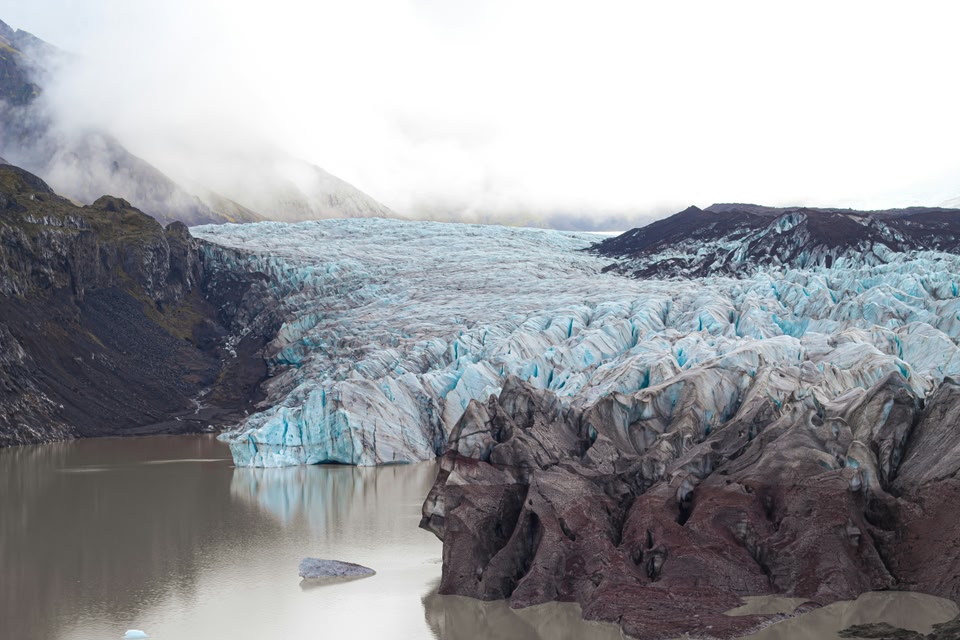
Land of the White Walkers: Vatnajökull National Park
Vatnajökull is the largest national park in Europe at 13.600km², which is great given the space all those White Walkers need. It was used as the filming location for the mysterious land beyond the wall, home to the deadly adversaries of the living. If you’re brave enough, take to the road east of Reykjavik, past the bluish icy mountaintops, and you may well start to believe in giants and White Walkers yourself…
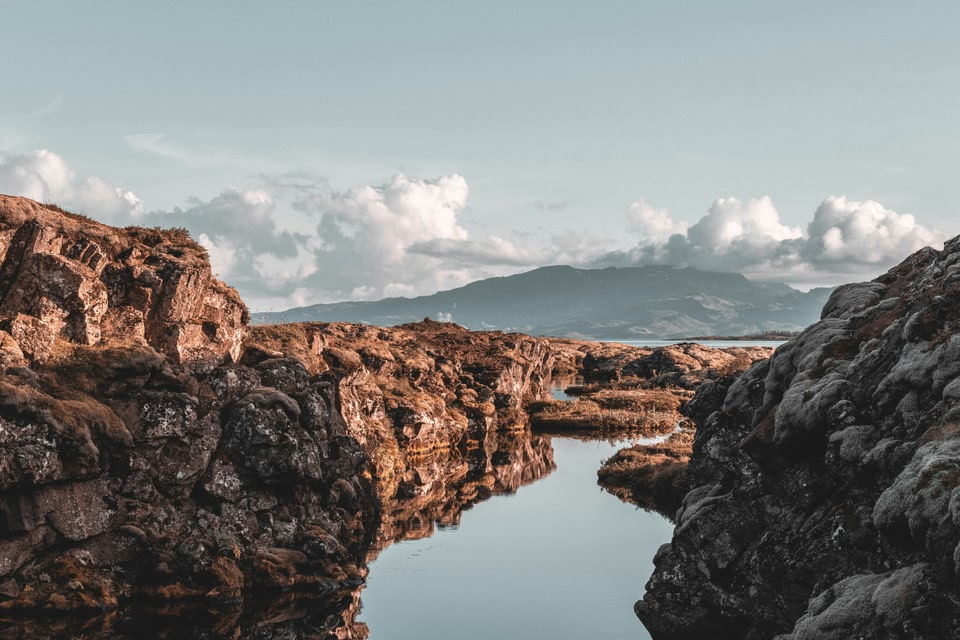
Home of Dragonglass: Thingvellir National Park
A major filming location for Game of Thrones was at Thingvellir National Park, a UNESCO World Heritage Site, where Arya and The Hound make their perilous (and as it turns out, futile) journey towards the Bloody Gate on route to the Vale of Arryn. Brienne of Tarth and The Hound also fight to near death here as they both seek to earn Arya’s trust. Fun fact, it’s also where you can find rare ‘Dragonglass’ (also known as obsidian, or cooled lava) for real, only one of two known substances that can kill White Walkers.
FAQs
Skyscanner can help you find the best flights, hotels and car hire deals for your next trip.