Known for its stunning resorts and year-round sunshine, Gran Canaria is a stalwart of the short-haul beach break. But this surprisingly diverse island has a lot more to offer – from stylish boutique hotels to rural retreats and top-notch spa facilities. And the capital, Las Palmas de Gran Canaria, combines city culture with beach vibes.
Here are seven reasons why you need to visit Gran Canaria on your next holiday.
In partnership with:

1. There are 82 beaches
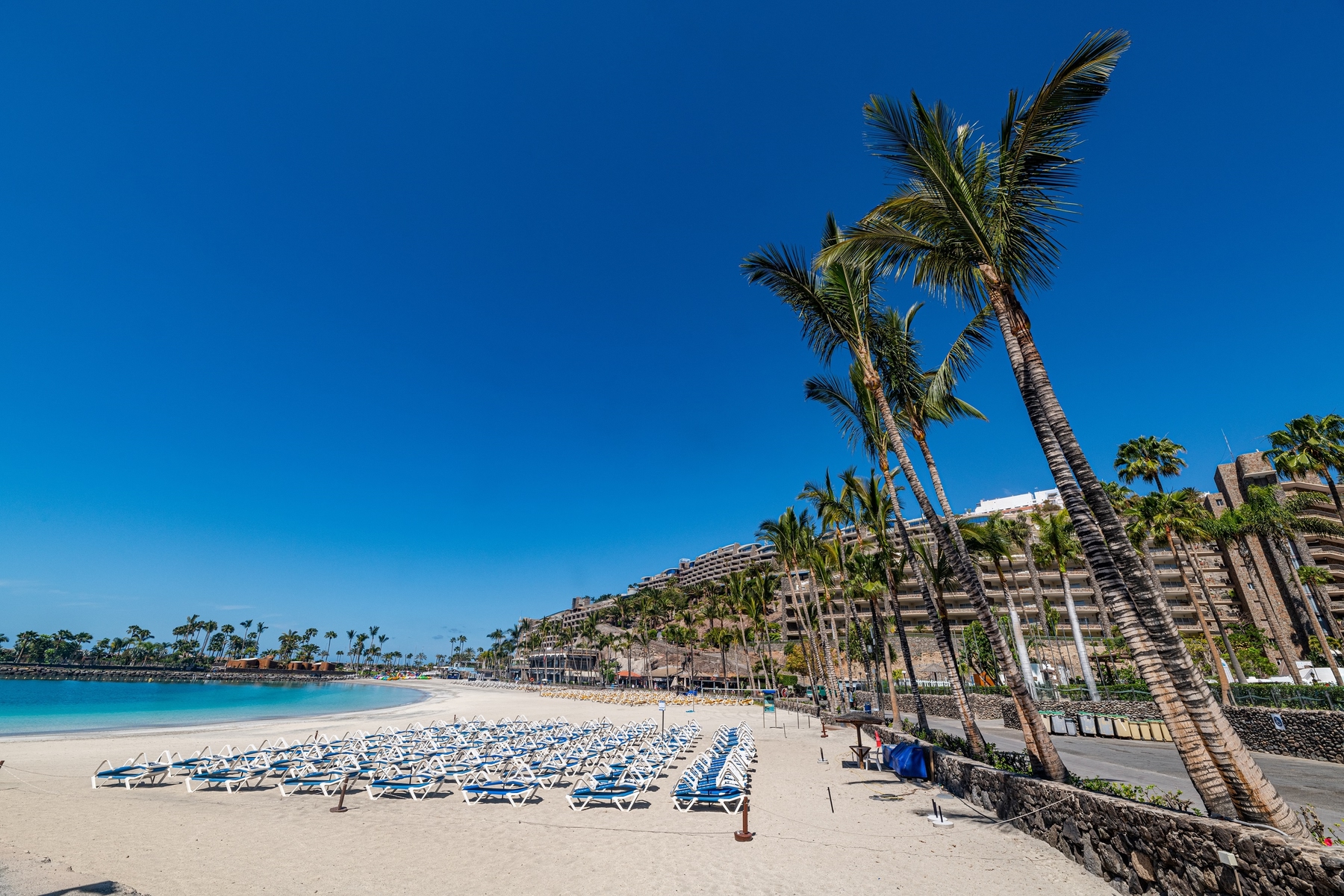
There are plenty of places for a dip in the cooling Atlantic ocean. And with so many sandy stretches, volcanic pools and hidden coves, you can discover a different side to Gran Canaria along its coast.
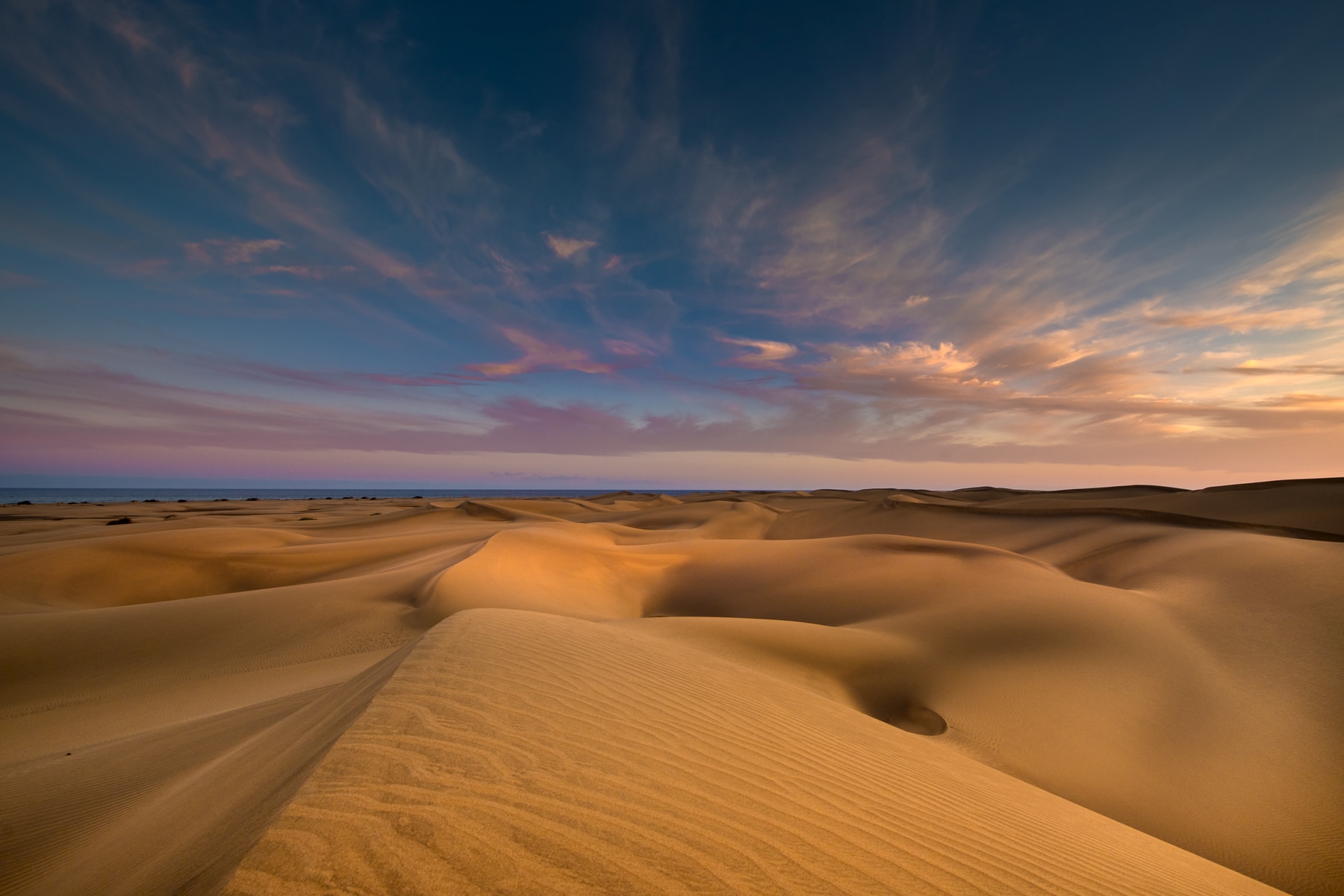
The Island’s south is where you’ll find the desert-like expanse of Maspalomas Dunes. A UNESCO-protected nature reserve, it covers 400 hectares and is flanked by some iconic beaches – including Maspalomas Beach. Further west are the newer, upmarket resorts of Meloneras, Amadores, Anfi, Taurito and Puerto Mogán. All come with beautiful golden sand beaches and long promenades.

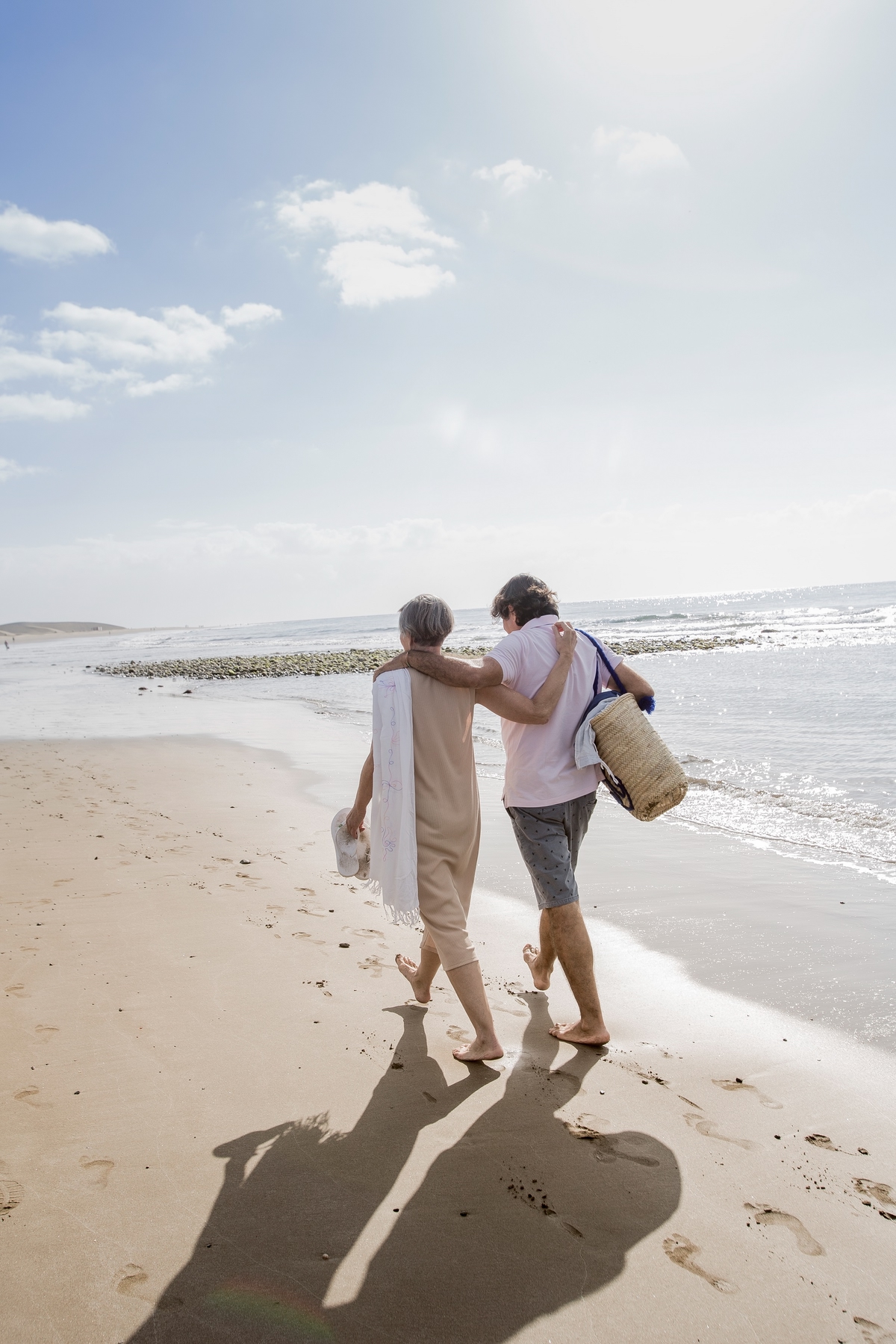
For absolute isolation, head west to one of two beaches that are so remote, they’re almost always deserted. High cliffs dominate Güi Güi Grande and Güi Güi Chico, and the only way to get to them is on foot or by boat. Further north, the tiny fishing village of Puerto de Las Nieves is home to the natural pools of Las Salinas. It’s a lovely bathing spot protected from crashing waves.
And the capital, Las Palmas de Gran Canaria, is where you’ll find one of the best urban beaches in Europe. But more on that later.
2. It’s a stunning outdoor playground
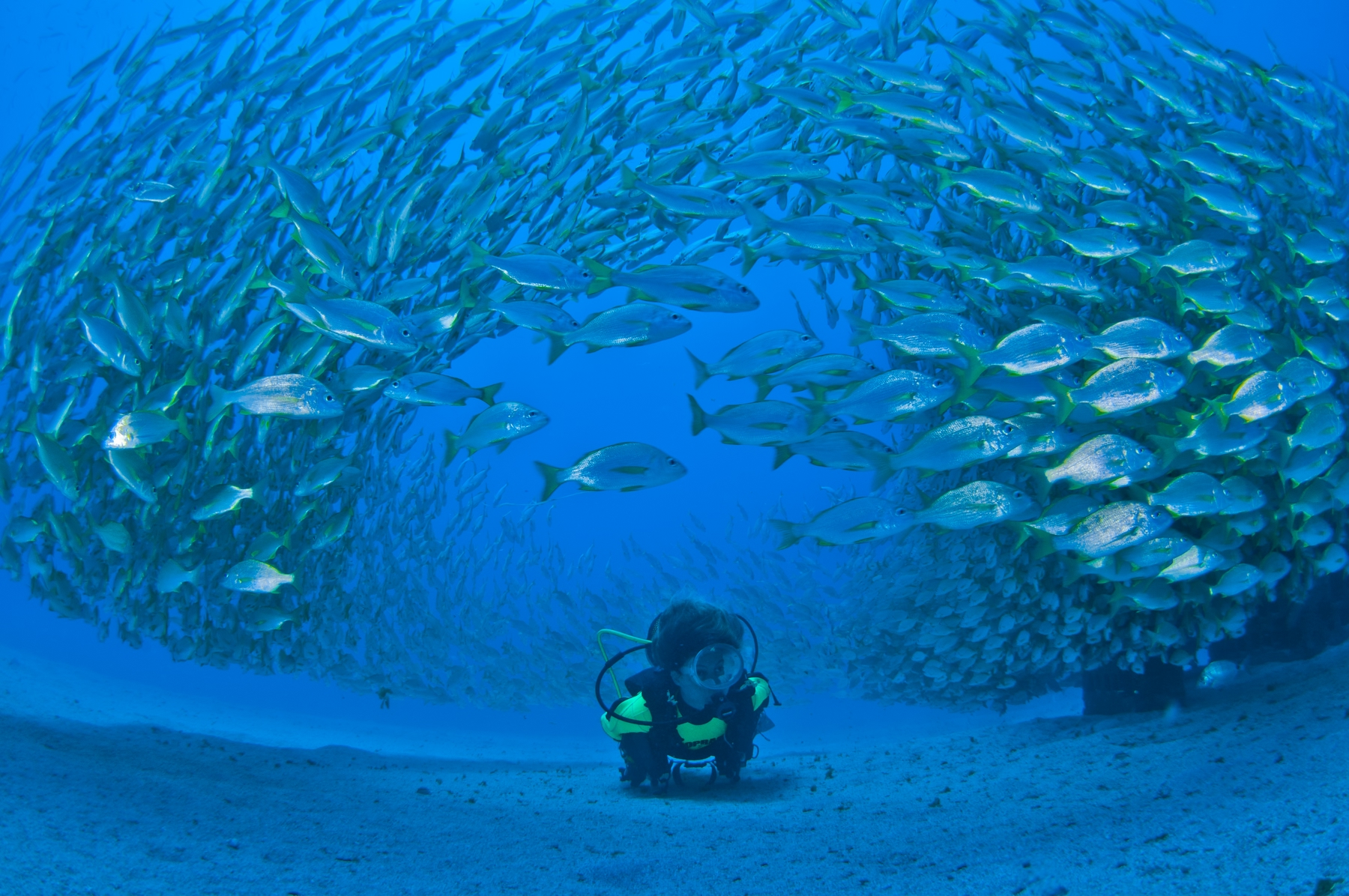
Water sports are a given when you’re surrounded by the sea and have year-round sunshine. The conditions are excellent for surfing, windsurfing and kitesurfing, diving, and sea fishing. But this terrain is also made for trekking, running, rock climbing and mountain biking.
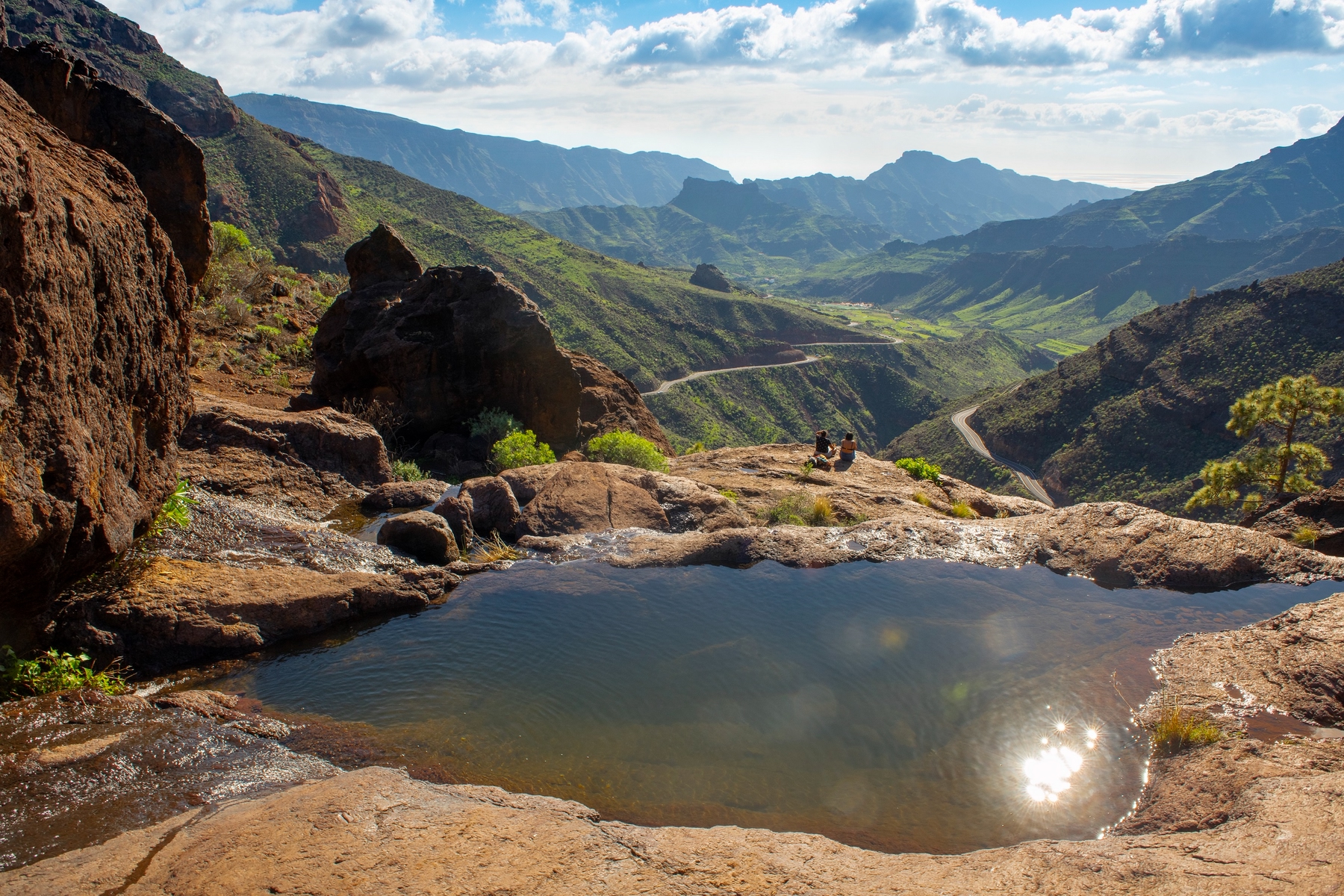
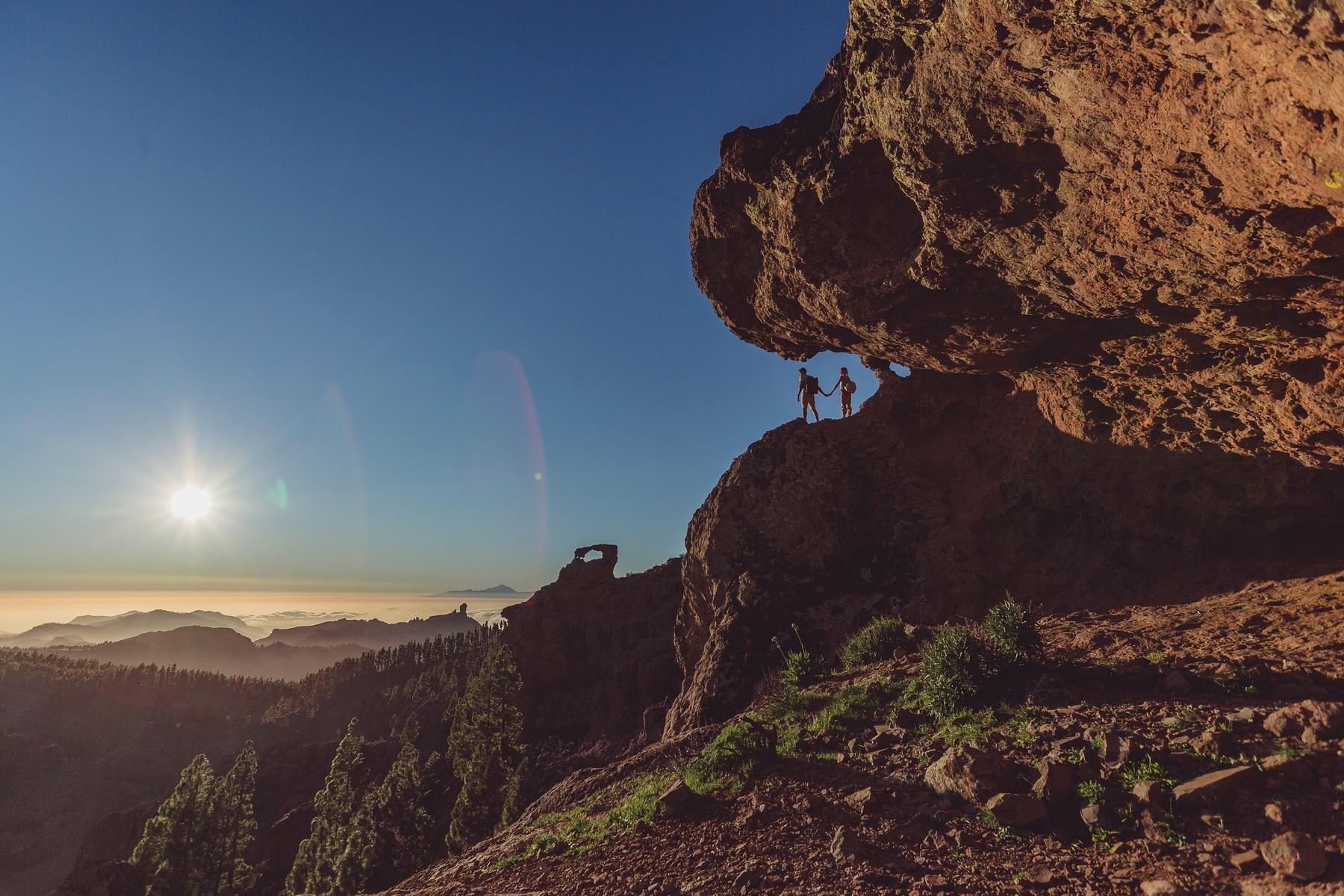
Almost half of Gran Canaria is a UNESCO-protected Biosphere Reserve. The diversity of its landscape – from canyons, cliffs and peaks to forests and beaches – and its unique biodiversity – provide a glorious backdrop to enjoy the great outdoors. Cycling and trail running are big here, and it’s easy to find well-marked routes through incredible landscapes – both off and on-road.
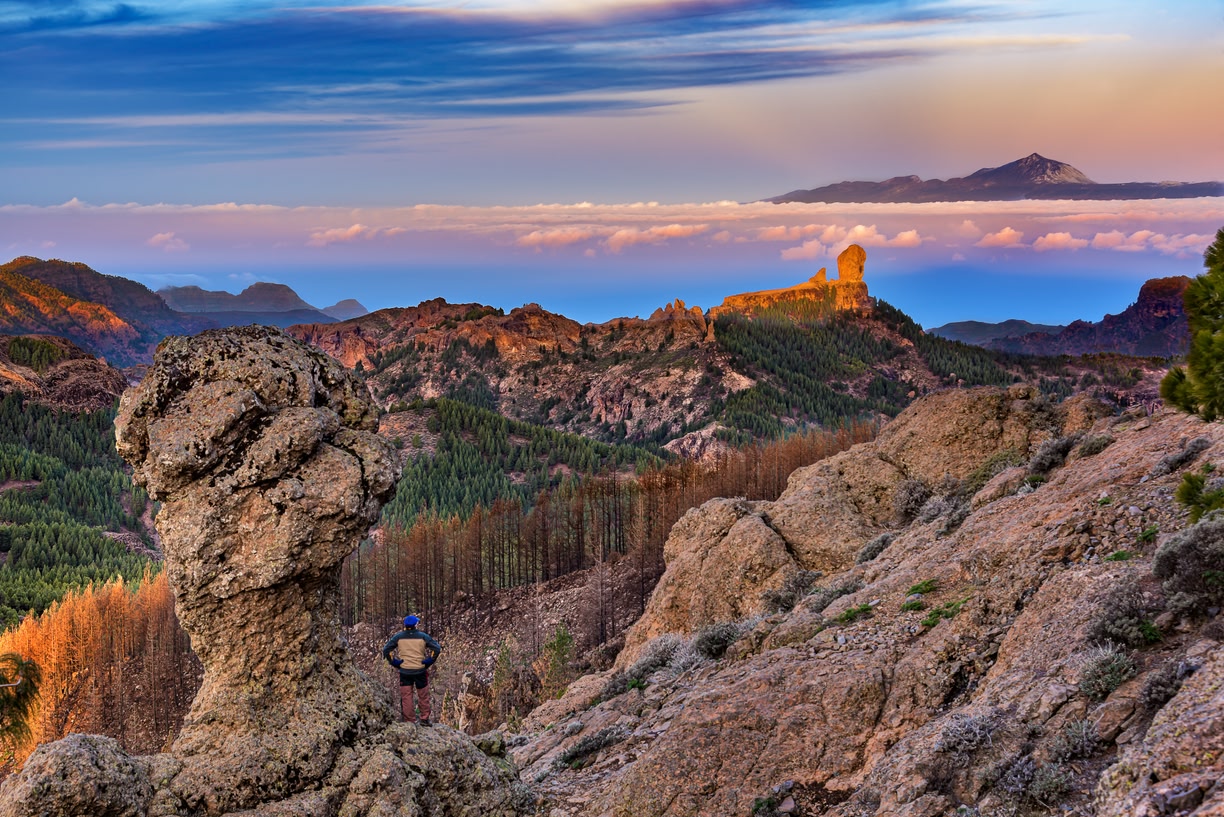
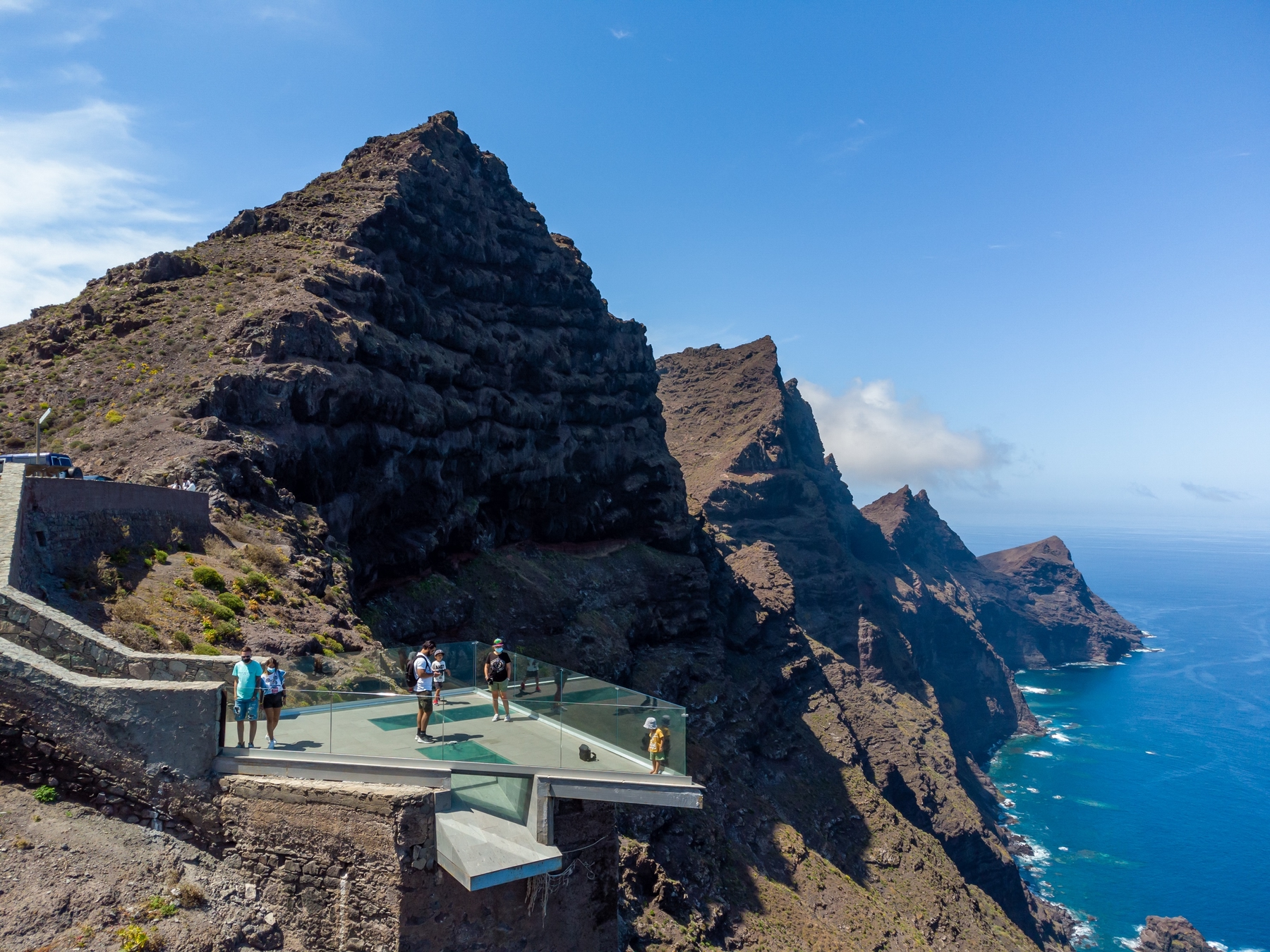
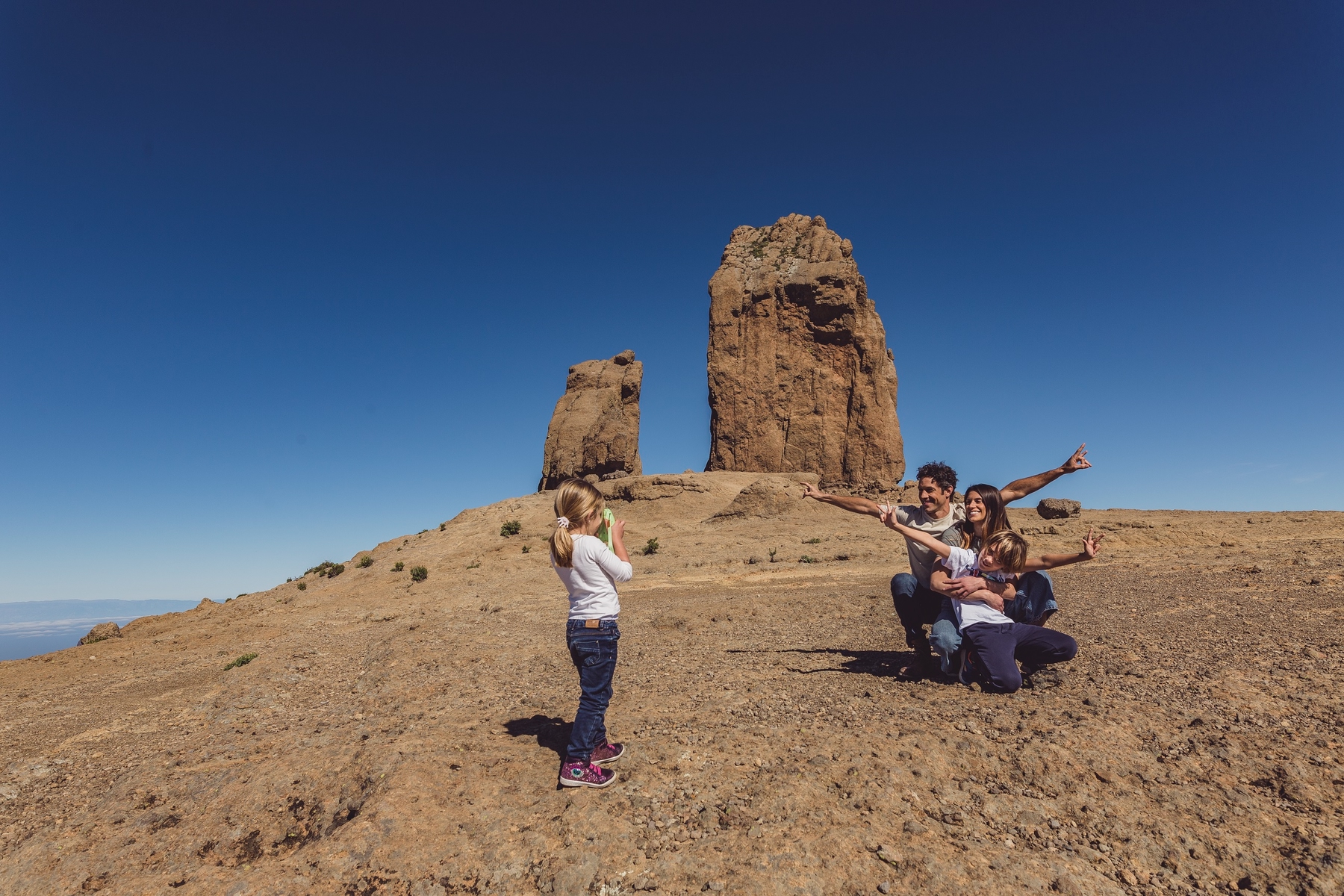
Hiking is another great way to explore some of the island’s natural landmarks, including Roque Nublo (Rock in the clouds) at the island’s centre – a free-standing crag at 1,813m – and Pozo de las Nieves, the island’s highest point at 1,949m. Dip into Gran Canaria’s Camino de Santiago, from north to south. Marvel at the sunset from Mirador del Balcón, a spectacular viewpoint 400m above the Atlantic. Or head to the top of the 1,444m-high Pico de la Bandera for spectacular views across the clouds.
3. It’s tailor-made for families
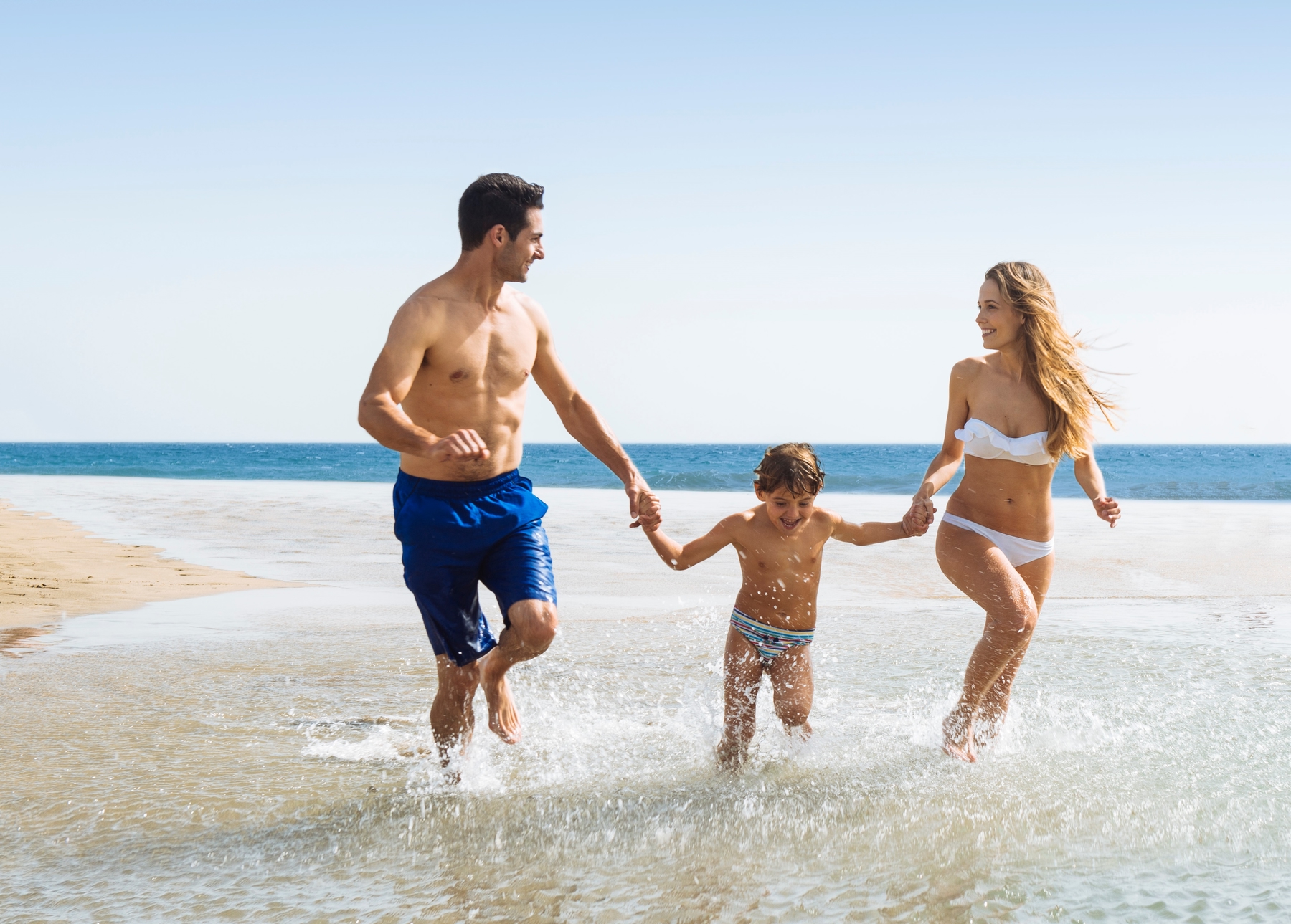
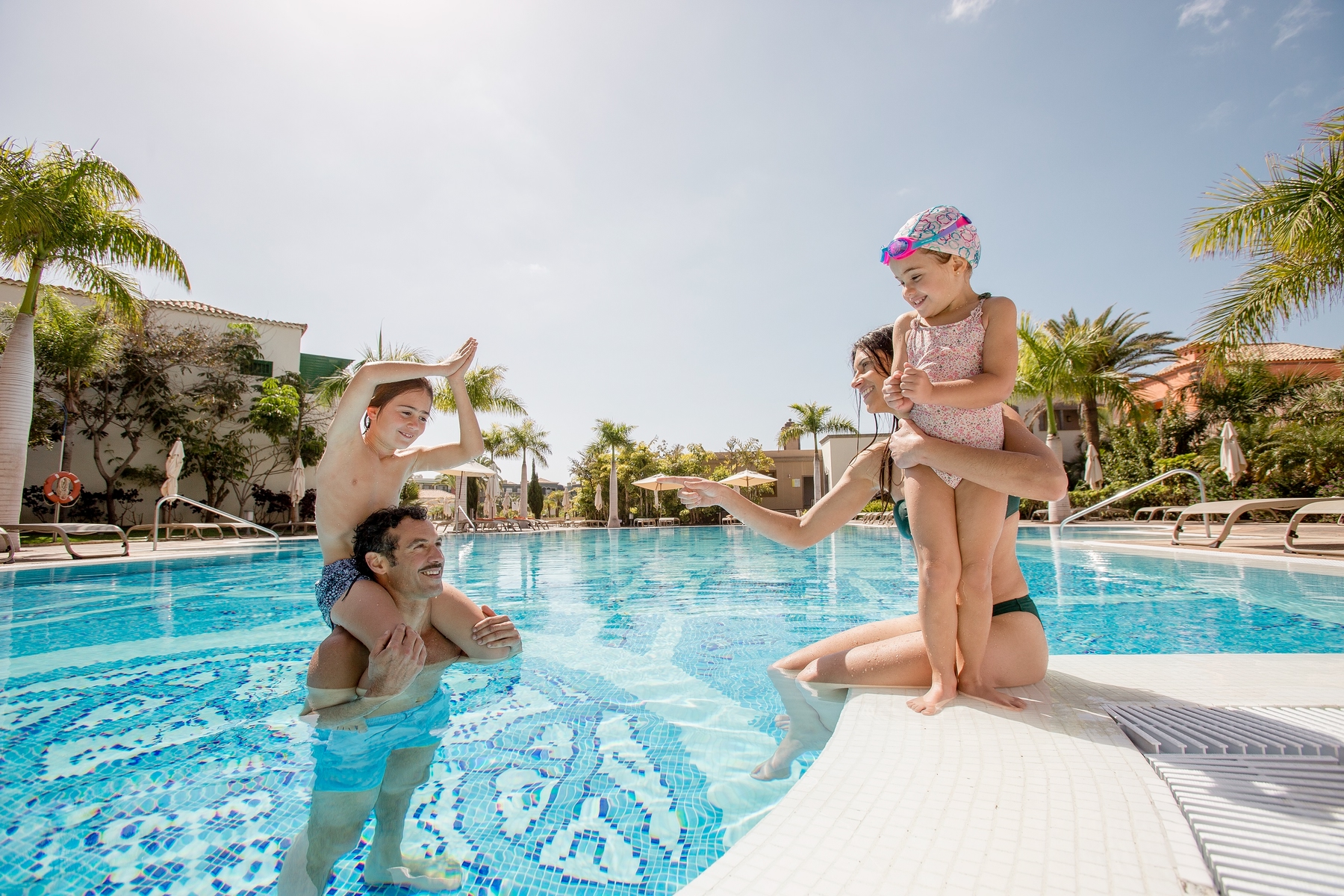
This is an ideal family holiday destination with protected sandy beaches, child-friendly accommodation, and plenty to keep every generation entertained. From all-inclusive beach breaks to adventurous, multi-centre activity breaks, there’s fun to be had whether you’re with toddlers or teens.
Family-friendly accommodation can range from self-catering to all-inclusive, and you’ll find many options near the beaches at Maspalomas, Amadores, Mogán and Las Canteras. You’ll have easy access to water parks, theme parks, water sports and boat trips from this stretch of coast, including whale and dolphin spotting tours.
It’s not just the beaches that are family-friendly, though. Las Palmas de Gran Canaria has plenty to keep the kids busy, including Aquarium Poema del Mar with its jaw-dropping curved window into an underwater world.
4. There’s a stylish city break option
It would be remiss to visit Gran Canaria and not stop at its beach-side capital. Las Palmas de Gran Canaria effortlessly combines the best of a beach break with a stylish city break.
The golden sand of Las Canteras stretches for almost 4km. There are coconut palms and fishing boats, but also open-air restaurants for sea-inspired tapas and ice cream parlours to please the kids. Surfers ride the crashing waves at the southern end, but the waters are calmed by an offshore lava reef further up.
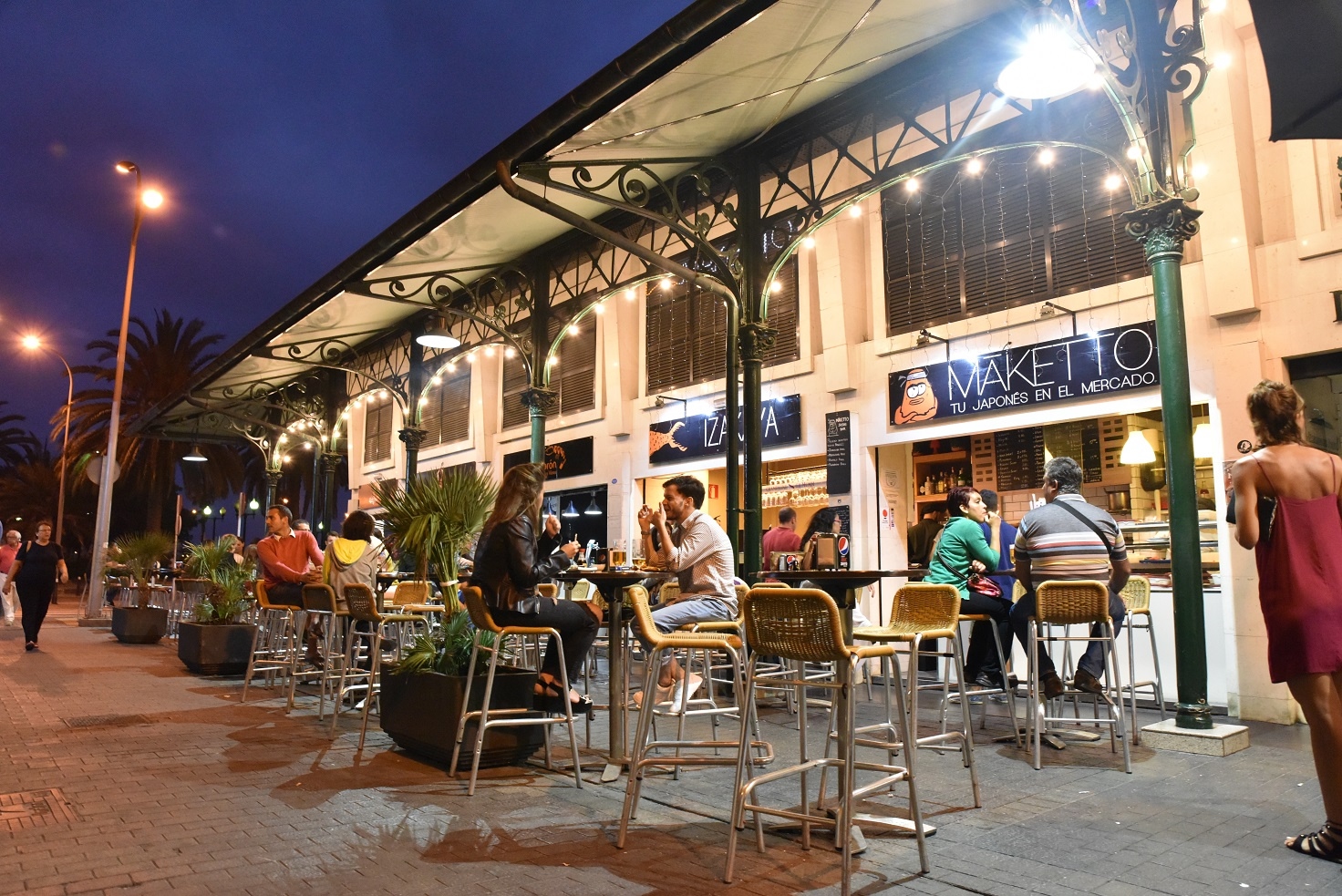
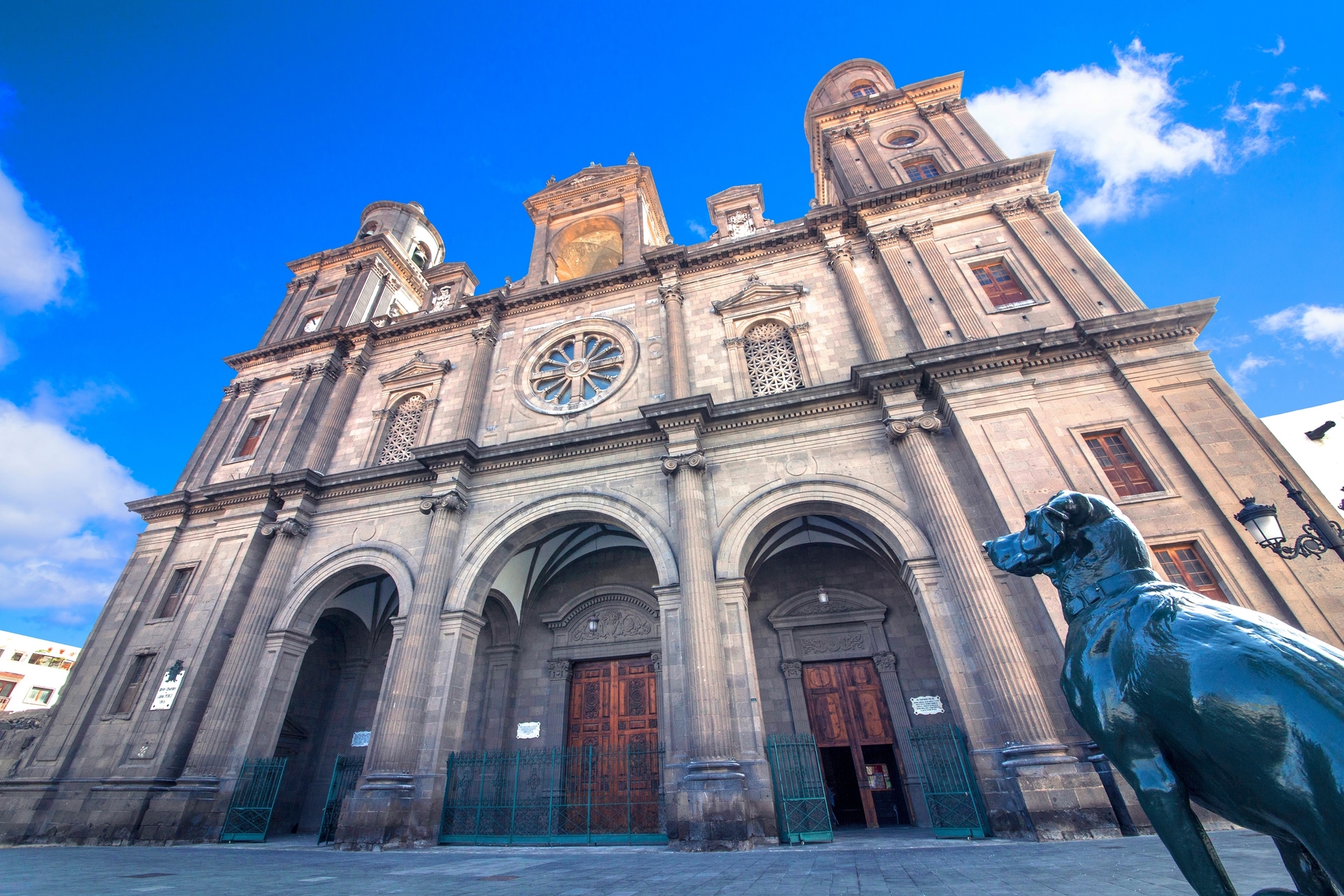
This port city has a charming historical quarter to wander, with cobbled streets and a cathedral to explore. Mingle with the Canarians at Puerto Market, pick up some local delicacies, or try the tapas while sitting under the arches. There are plenty of bars, restaurants and open-air terraces around the city.
5. There’s tonnes of history and culture to discover
The island is said to have been colonised around 500BC by North African Berbers, who fiercely resisted the island’s annexation by the Crown of Castile in 1483. Since then, five centuries of European history have left their mark on the island.
The Canarian Museum is home to the most complete archaeological collection in the Canary Islands and is an excellent introduction to the islands’ past. Maipés Archaeological Park, at the foot of the Pinar de Tamadaba, is where Gran Canaria’s original inhabitants honoured their dead. Here, there are more than 700 tombs preserved in lava, including huge stone burial mounds built 1,300 years ago.
One of the most celebrated pre-Hispanic sites on the island is the ‘Cueva Pintada’ or the painted cave, which also has a museum. And the most spectacular has to be Cenobio de Valerón, a grain store carved into an escarpment at Montaña del Gallego.
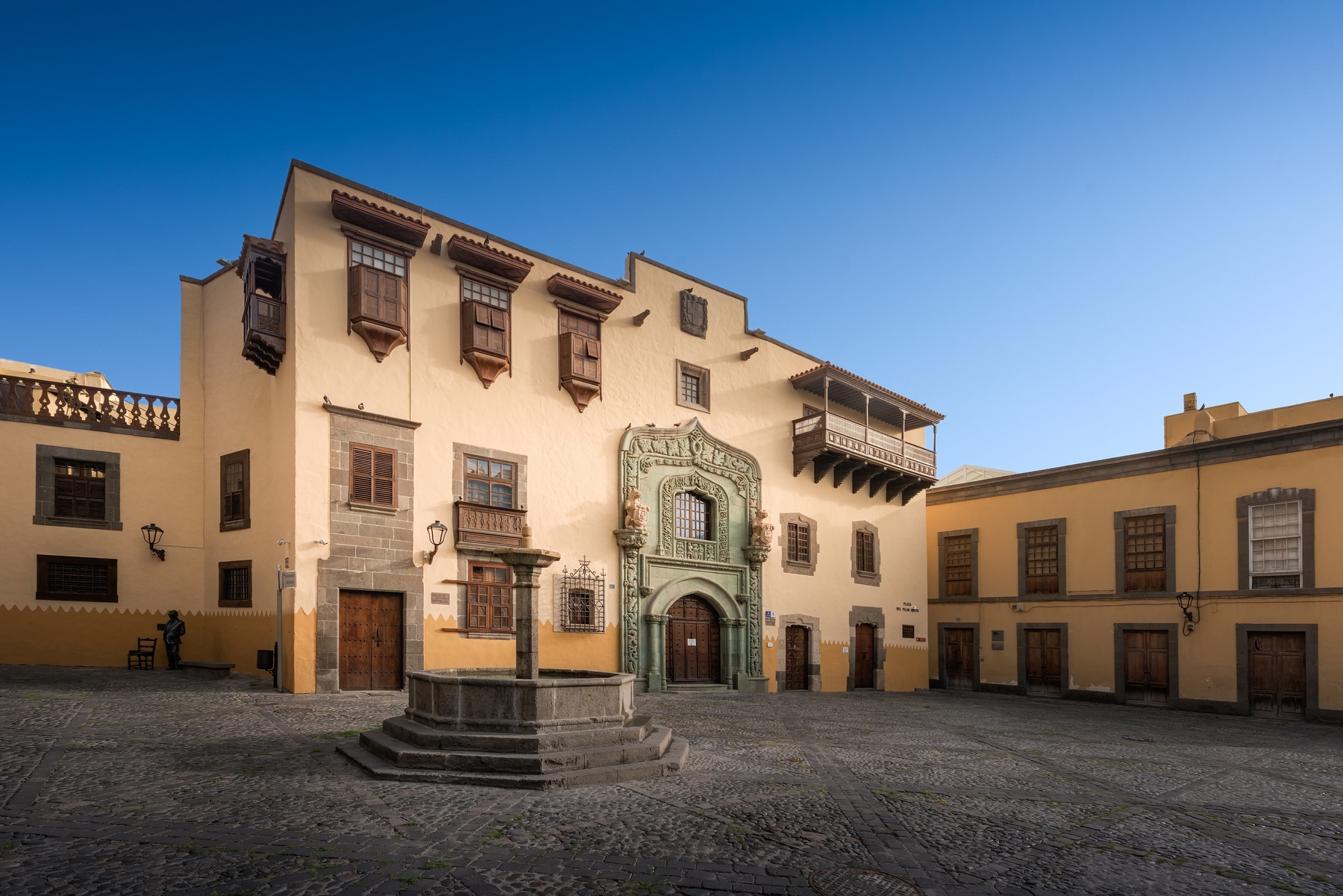
La Fortaleza is where the events of the 29th of April 1483 took place, and in every small town and village you’ll find traces of European history. Don’t miss the abbey of Virgen del Pino in Teror or the colonial architecture of Arucas. Not forgetting the island’s link to Columbus (he stayed here) and the Columbus House Museum in the capital.
6. It’s a culinary adventure
Discover European coffee and tropical fruit plantations, taste local wine and honeyrum, or discover traditional cheese-making. Away from the tourist hotspots, there’s regional cuisine to be savoured, all based on the island’s fresh and natural ingredients.
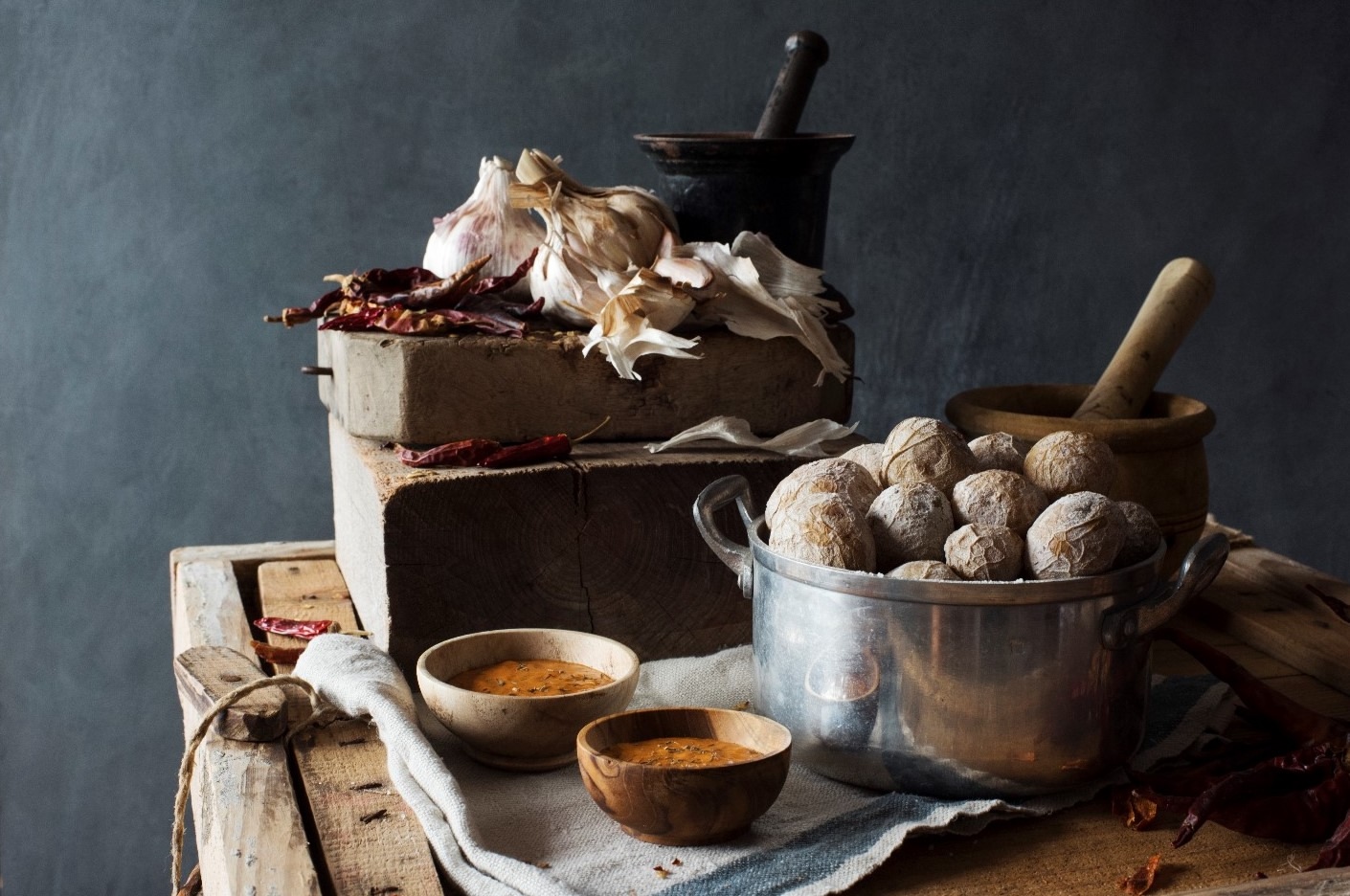
Head to the northern region for the most authentic foodie experience. Immerse yourself in the slow-living culture of the island’s towns and villages, and you’ll get the true flavour of Gran Canaria. Try homemade dishes at family tavernas, including papas arrugadas (wrinkled potatoes) with mojo sauce, gofio escaldado (a dip made from toasted cornflour and fish stock), potaje stew, freshly baked Canarian bread and local wine.
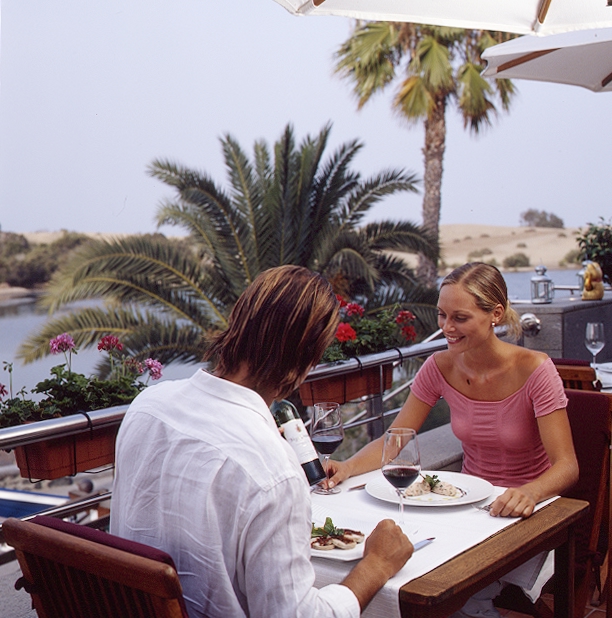
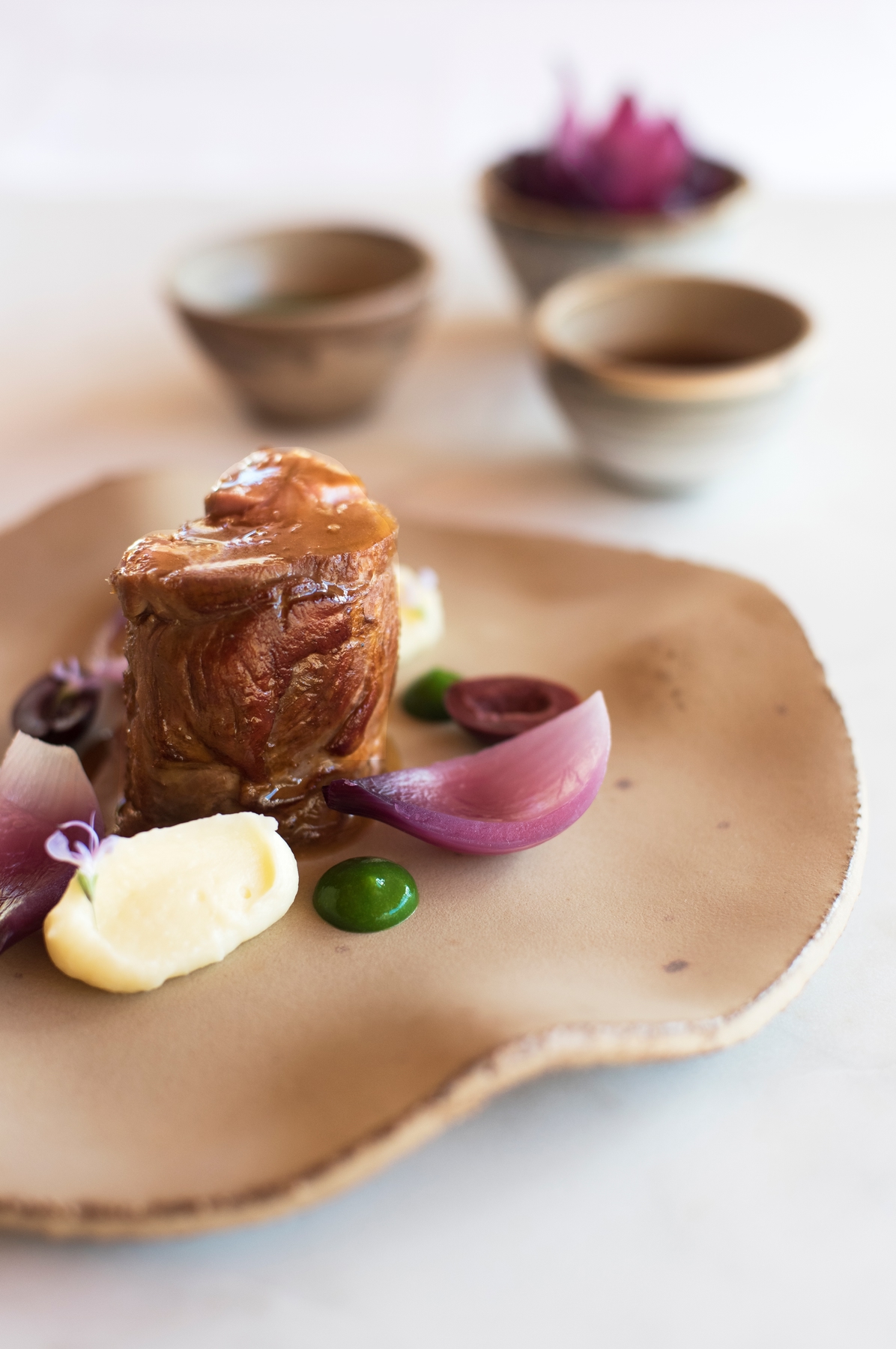
Pick up the Gran Canaria Wine Route if you’re serious about wine. It includes wineries, wine cellars, estates and traditional bochinches – small family-run eateries that serve traditional Canarian fare. And from rustic to exclusive – Gran Canaria’s luxury offerings include two Michelin starred restaurants. La Aquarela in Patalavaca and Los Guayres at the Cordial Mogan Playa hotel.

7. There’s plenty of R&R ready and waiting
In the latter half of the 19th century, Gran Canaria was a cure recommended by British doctors. The mild climate, perfect humidity and mineral-rich waters made it a Mecca for tourists keen to improve their health and wellbeing. Today, it’s still an excellent spot for some rest, relaxation and a good helping of pampering.
You’ll find excellent spa and thalassotherapy facilities at hotels across the island. Some of the best include the health garden at Seaside Hotel Palm Beach, with its heated saltwater pools set in a palm grove. And the exclusive ocean-view suites with private seawater pools at Corallium Thalasso, Lopesan Villa del Conde Resort. Or the spectacular Corallium Spa at Lopesan Costa Meloneras Resort, inspired by the island’s volcanic conditions.
Wherever you choose to spa, try the local aloe vera products. Manufacturers claim that the aloe grown on the island is transformed into cream or gel in under 48 hours.
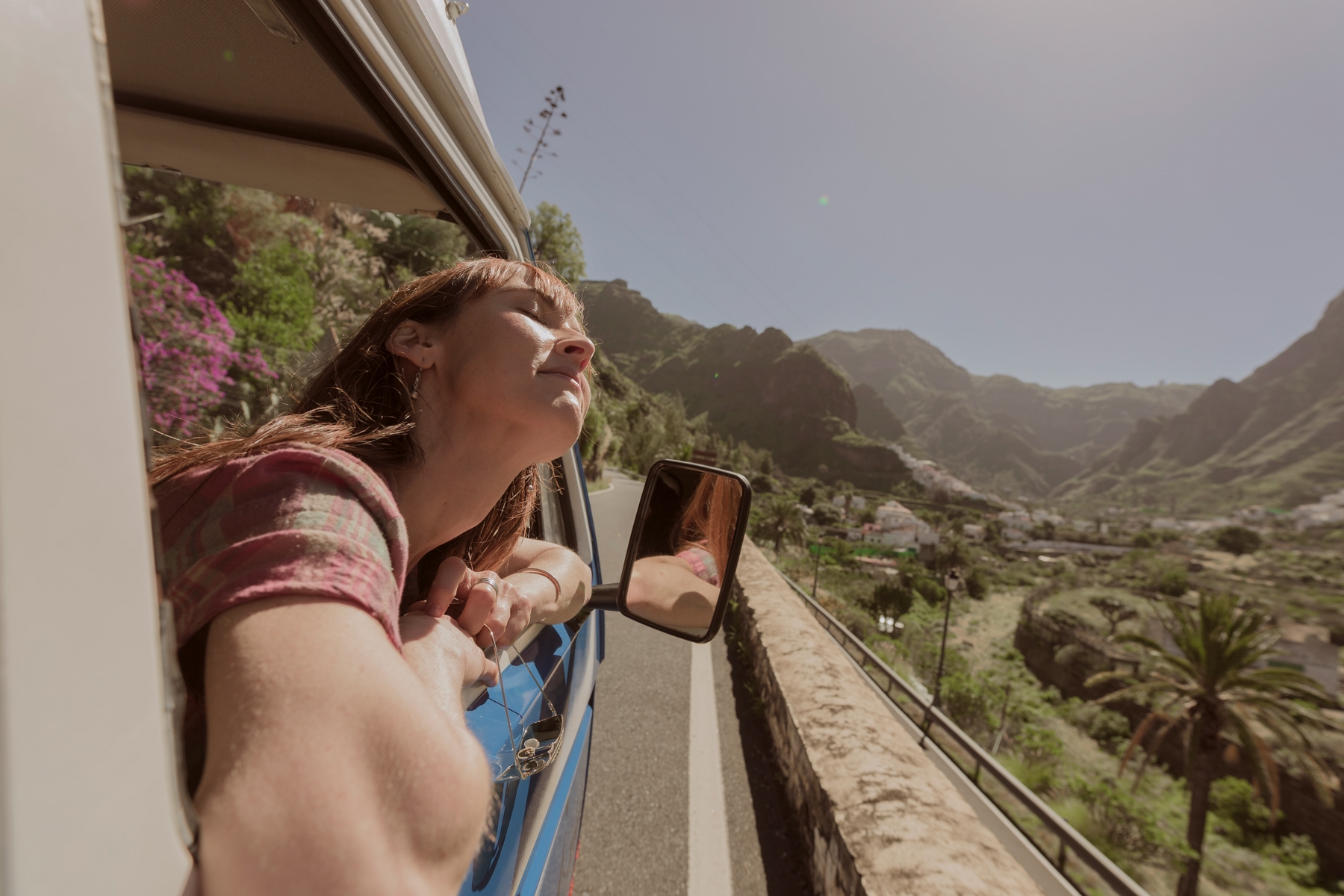
Gran Canaria will always be a favourite for its beach life, but with so much more to see and do, it’s worth combining your beach break with something a little different. A night or two in the capital, a stay in the mountains, or a truly authentic experience in the slow-paced rural towns and villages.
Take me there
If you can’t wait to explore Gran Canaria’s diverse landscapes, check out our latest deals first.